

How to Maintain Healthy Skin in Every Season

Unlock a year-round glow! Learn How to Maintain Healthy Skin in Every Season. Make simple adjustments to your routine for radiant, protected skin all year.

Caring for your skin all through the year can challenge, as each season brings own extraordinary environmental factors impact skin health. From brutal winter winds that cause dryness to summer’s serious UV rays that lead to sun harm, keeping a year-round skincare routine custom fitted to changing weather patterns is crucial for a brilliant, healthy complexion. By understanding how seasonal varieties affect the skin and making insightful changes, you can protect and feed your skin regardless of the season. A consistent, versatile approach to skincare forestalls common issues while enhancing your skin’s natural beauty.

🌿 Discover Your Natural Glow 🌿 Free Nature Beauty Helper AI • Plant-Based Tips ✨ Get Free Advice →

Winter Care: Combatting Dryness and Sensitivity

Winter’s cold temperatures and low mugginess frequently lead to dry, disturbed skin. The combination of chilly breezes outside and dry, warmed air inside strips the skin of its natural dampness hindrance, making it more inclined to flakiness and sensitivity. To protect your skin in winter, focus on hydration and dampness maintenance in your everyday daily practice.

Winter Care: Combatting Dryness and Sensitivity

Switching to a richer, oil-based lotion gives a protective hindrance that locks in hydration and forestalls water loss. Ingredients like hyaluronic acid, shea spread, and ceramides are highly effective in reestablishing dampness balance and relieving disturbed skin. Utilizing a hydrating serum prior to applying lotion adds an additional layer of sustenance, guaranteeing further hydration.

Delicate cleansing is fundamental to try not to additional dry out the skin. Pick creamy, non-frothing cleansers that cleanse without stripping away natural oils. Keeping away from excessively hot showers additionally holds dampness. Instead, utilize tepid water and apply body moisturizer or cream immediately after washing to seal in hydration.

Adding a humidifier to your living space reestablishes dampness to the air, creating a more skin-friendly climate. Normal exfoliation with gentle products eliminates dead skin cells, permitting creams to enter all the more effectively. However, over-exfoliation can exacerbate dryness, so restrict it to once or twice every week.

Spring and Summer: Sun Protection and Oil Control

Spring and Summer: Sun Protection and Oil Control

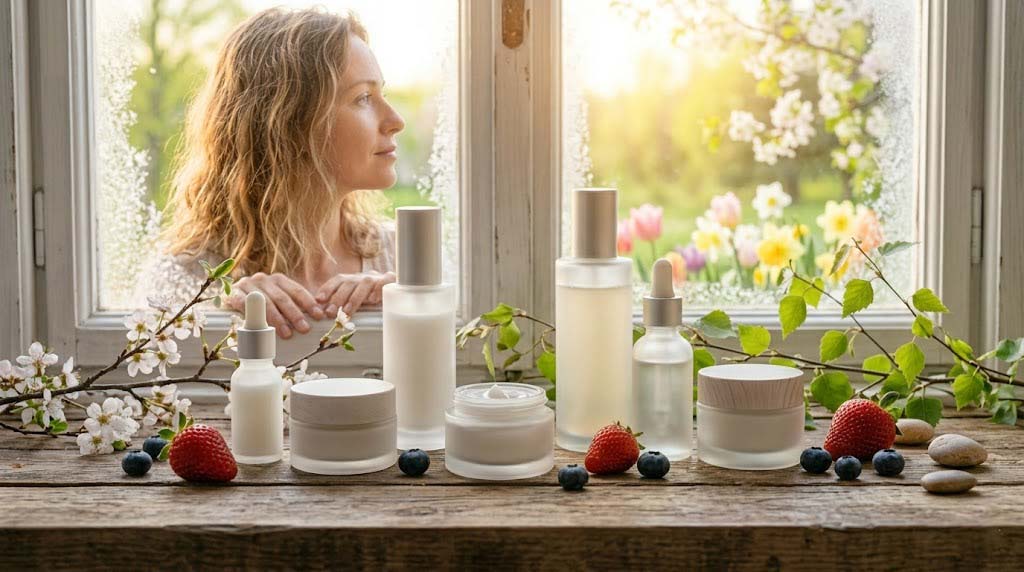
With spring’s appearance and summer’s intensity, increased sun exposure becomes an essential concern for skin health. Ultraviolet (UV) rays accelerate aging, cause sunburn, and increase the risk of skin cancer. Protecting your skin from the sun ought to be a cornerstone of your warm-climate skincare schedule.

Applying expansive spectrum sunscreen with basically SPF 30 day to day is non-debatable, even on cloudy days. Search for lightweight, non-comedogenic equations that won’t clog pores, and reapply like clockwork when outside for delayed periods. Wearing wide-overflowed caps and sunglasses gives extra protection to the face and eyes.

Hotter temperatures and higher moistness levels frequently lead to increased oil production, making acne and sparkle more normal. Switching to sans oil or gel-based creams helps balance hydration without adding excess oil. Utilizing a delicate exfoliant consistently forestalls clogged pores, while clay veils assist with controlling sebum and mattify the skin.

Hydration stays fundamental in any event, during muggy climate. Drinking a lot of water keeps up with dampness from the inside, keeping your skin full and glowing. Incorporating cooling facial fogs or lightweight serums with hydrating ingredients like aloe vera and cucumber invigorates and recharges the skin over the course of the day.

Autumn Changes: Fixing Summer Harm and Getting ready for Cold

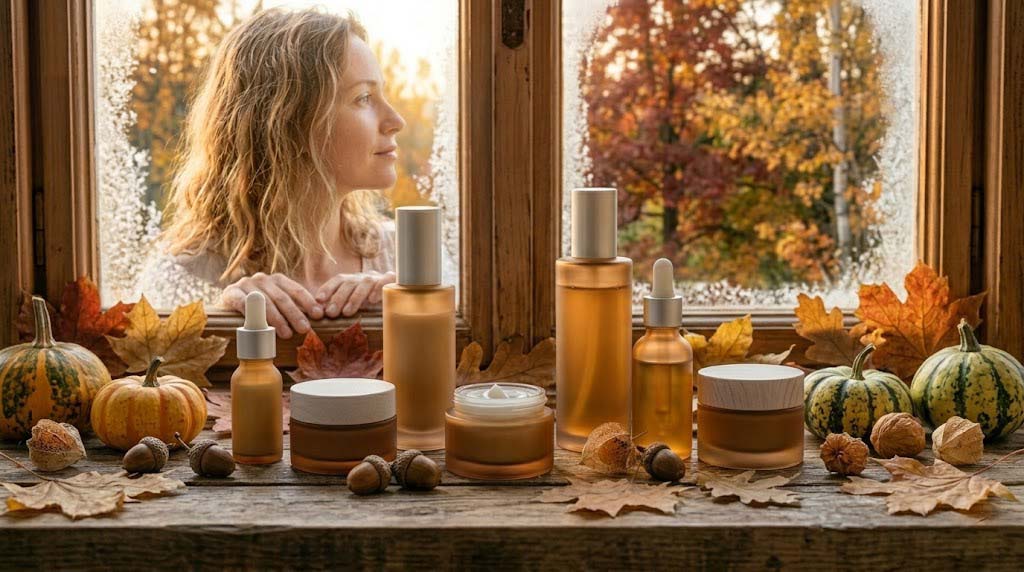
As summer advances into autumn, the effects of sun exposure and intensity become more obvious. Sunspots, dehydration, and lopsided surface might wait, making fall an optimal chance to focus on fix and rejuvenation. Progressive changes in weather conditions additionally signal the need to set up your skin for colder months to come.

Autumn Changes: Fixing Summer Harm and Getting ready for Cold

Incorporate antioxidants like vitamin C into your daily practice to combat free radical harm from the sun. Vitamin C serums light up the complexion, blur dull spots, and advance collagen production. Delicate chemical exfoliants, such as glycolic acid or lactic acid, smooth the skin’s surface and further develop surface.

Saturating becomes increasingly significant as temperatures decrease and air loses dampness. Progressing to richer creams or layering hydrating serums under lighter lotions helps combat dryness. Lip ointments and hand creams forestall chapping in regions more presented to the components.

To help skin health from the inside, keep a balanced diet rich in vitamins and antioxidants. Foods high in omega-3 fatty acids, similar to salmon and pecans, assist with reinforcing the skin’s dampness boundary. Remaining hydrated and restricting caffeine or alcohol admission further enhances skin hydration.

Year-Round Propensities for Consistent Skin Health

Year-Round Propensities for Consistent Skin Health

While changing your skincare routine with the seasons is significant, certain practices stay beneficial year-round. Ordinary cleansing, saturating, and sun protection structure the groundwork of healthy skin. Tailor these basics to suit seasonal conditions without settling on consistency.

Sufficient rest is indispensable for skin recovery and fix. Go for the gold long periods of rest each night to advance a revived and brilliant complexion. Stress the board likewise assumes a significant part in keeping up with skin health, as chronic stress can set off irritation and breakouts. Practicing mindfulness, exercise, and relaxation techniques upholds overall wellness.

Exercise further develops circulation and conveys oxygen and nutrients to the skin, enhancing its natural glow. Ordinary physical activity likewise helps with detoxification and stress help, contributing to a clearer, healthier complexion. After exercises, immediately cleanse your face to eliminate sweat and forestall clogged pores.

Drinking a lot of water is fundamental in each season. Appropriate hydration keeps up with skin elasticity, forestalls dryness, and supports the body’s detoxification process. Go for the gold eight glasses of water everyday, changing your admission in view of activity levels and climate.

Conclusion

Keeping up with healthy skin all through the year requires an adaptable and insightful approach that adjusts to changing seasons. By changing your everyday practice to combat winter dryness, protect against summer sun harm, and fix autumn’s waiting effects, you can keep your skin glowing and strong. Consistency in basic skincare propensities, combined with seasonal changes, guarantees a balanced, brilliant complexion. Focusing on hydration, sun protection, and sustenance from inside creates a holistic approach that upholds your skin’s health in each weather pattern. With careful care and versatile systems, your skin will flourish regardless of the season.

Frequently Asked Questions: Seasonal Skincare & Winter Care

1. How can I maintain healthy skin in every season?

The key is adaptability. In summer, focus on lightweight, oil-free hydration and high SPF. In autumn and spring, introduce gentle exfoliation to clear dead cells. In winter, switch to thicker, cream-based moisturizers to lock in moisture against harsh winds.


2. What are the best natural remedies for winter dry skin?

For natural relief, try Coconut Oil or Shea Butter, which provide deep hydration. Honey is a natural humectant that draws moisture into the skin, while Aloe Vera can soothe wind-burned or sensitive patches without clogging pores.


3. How do I combat winter dryness and sensitivity?

To protect sensitive skin during winter:

  • Avoid very hot showers, which strip natural oils.
  • Use a humidifier indoors to add moisture back into the air.
  • Apply moisturizer to damp skin immediately after washing to seal in hydration.


4. Do I still need sunscreen during the winter?

Yes! UV rays are present year-round. Snow can reflect up to 80% of UV radiation, increasing your risk of sun damage even in freezing temperatures. Consistent sunscreen use is vital for long-term healthy skin.


5. Why does my skin feel tighter in the cold months?

Cold air holds less moisture, and indoor heating further dehydrates the epidermis. This leads to a compromised skin barrier, resulting in that “tight” or itchy feeling. Using a hyaluronic acid serum under your moisturizer can help significantly.


Leave a Comment

Your email address will not be published. Required fields are marked *

Scroll to Top