
Cetirizine Recall 2026: Popular Allergy Medication Recalled Nationwide Over Dangerous Impurity
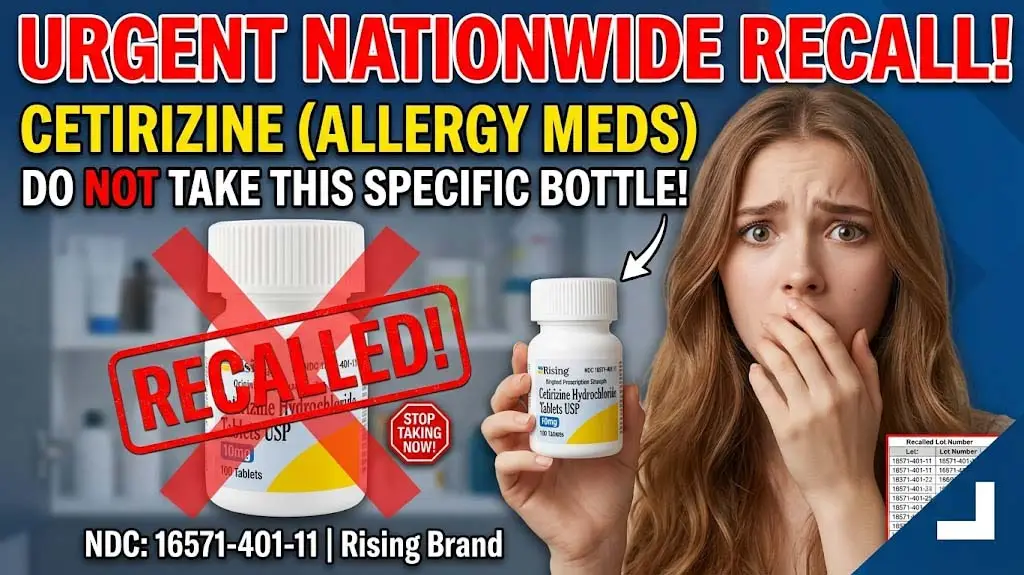
The FDA’s 2026 cetirizine recall affects multiple generic brands of cetirizine hydrochloride tablets and liquid. Consumers are urged to check lot numbers immediately. Source: FDA Drug Recall Notices.
Cetirizine Hydrochloride Tablets & Liquid Recalled · FDA Urges Immediate Action · Published by glowwithnature.com
Millions of people reach for a tiny, white cetirizine hydrochloride tablet every morning during allergy season, trusting that it will quiet their sneezing and watery eyes without causing harm. That trust was shattered in July 2026 when the U.S. Food and Drug Administration announced a sweeping cetirizine recall, pulling dozens of generic and store‑brand versions of the popular antihistamine from pharmacy shelves. The reason: the discovery of a potentially carcinogenic impurity — N‑nitroso‑cetirizine — at levels far exceeding the FDA’s acceptable daily intake limits. For families, allergy sufferers, and anyone who keeps a bottle of this medication in their bathroom cabinet, the recall is a frightening wake‑up call about the hidden vulnerabilities in the generic drug supply chain. And it’s not just cetirizine; a broader allergy medication recalled 2026 alert has been issued, affecting other antihistamines as well.
The recall spans multiple manufacturers, including major generic producers like Aurobindo, Dr. Reddy’s, and Teva, and covers both over‑the‑counter and prescription forms of cetirizine hydrochloride — tablets, chewables, and liquid syrups. The FDA has classified this as a Class I recall, the most serious type, reserved for products that could cause serious health problems or death. The contaminant belongs to the nitrosamine family, the same class of impurities that triggered the valsartan blood pressure medication recalls beginning in 2018. At Glow With Nature, we understand how unsettling it is to question the safety of the very medicines you rely on to feel well. In this comprehensive guide, we will walk you through exactly what’s happening, how to check if your specific allergy medication recalled is affected, the health risks of nitrosamine exposure, the steps to take right now to protect yourself and your family, and the natural, holistic strategies that can help you manage allergy symptoms while the pharmaceutical supply chain sorts itself out. Your well‑being depends on staying informed and acting quickly.
The FDA’s 2026 cetirizine recall affects multiple generic brands of cetirizine hydrochloride tablets and liquid. Consumers are urged to check lot numbers immediately. Source: FDA Drug Recall Notices.
What Is N‑Nitroso‑Cetirizine? Understanding the Impurity Behind the Recall
To comprehend why the cetirizine recall is so serious, you must first understand what nitrosamines are and how they end up in medications. Nitrosamines are chemical compounds formed by the reaction of amines and nitrites under certain acidic conditions. They are ubiquitous in trace amounts in foods like grilled meats, beer, and even in the human body from normal metabolic processes. But at elevated levels, many nitrosamines are classified as probable or known human carcinogens by the International Agency for Research on Cancer. Long‑term exposure to high levels of nitrosamines has been linked to liver, bladder, and gastrointestinal cancers in animal studies. (FDA: Nitrosamine Impurities in Drugs)
In the case of cetirizine hydrochloride, the specific impurity — N‑nitroso‑cetirizine — is believed to form during the manufacturing process when cetirizine reacts with residual nitrite from certain excipients or equipment cleaning agents. The problem came to light through routine stability testing by a major generic manufacturer, which detected levels as high as 250 nanograms per tablet — well above the FDA’s interim limit of 26.5 ng/day for this compound. The reaction was swift: within weeks, multiple manufacturers voluntarily recalled hundreds of lots, and the FDA issued a public alert advising patients to check their medicine cabinets. Unlike the valsartan recalls, which unfolded over months, the allergy medication recalled 2026 response was faster, but the scope is arguably broader because cetirizine is one of the most commonly used antihistamines in the country. An estimated 40 million Americans take it annually, making this recall one of the largest medication safety events in recent history. (FDA: Recalls & Safety Alerts)
Is Your Allergy Medication Recalled? A Step‑by‑Step Guide to Checking Your Bottle
Panic is understandable, but the most helpful thing you can do right now is to systematically check your medication. Not every bottle of cetirizine hydrochloride is affected, and the FDA and manufacturers have made it possible for consumers to verify their products. Follow these steps immediately.
- Step 1: Locate the NDC and Lot Number. On the bottle or packaging, find the National Drug Code (NDC) — a 10‑digit number — and the lot number, usually printed near the expiration date. The lot number is critical because the recall is lot‑specific, not a blanket withdrawal of all cetirizine.
- Step 2: Visit the FDA’s Recall Database. Go to the FDA’s official enforcement report page and search for “cetirizine.” The agency lists all recalled lots with their NDC codes and expiration dates. You can also check the manufacturer’s website directly; companies like Aurobindo and Teva have dedicated recall portals. (FDA Drug Recall Search)
- Step 3: Contact Your Pharmacy. If you cannot access the internet, call the pharmacy where you filled the prescription or purchased the OTC product. Pharmacists have been instructed to identify affected lots and can tell you over the phone if your specific bottle is part of the recall. They can also guide you on safe disposal and replacement.
- Step 4: Do Not Stop Taking the Medication Abruptly Without Guidance. If your cetirizine is recalled, your pharmacist or doctor can recommend a safe alternative. Stopping allergy medication suddenly can cause rebound symptoms like intense itching or hives. Have a plan in place before you discard any pills.
CRITICAL SAFETY NOTICE: Who Should Be Most Concerned About Nitrosamine Exposure
While the carcinogenic risk from short‑term, low‑level exposure to nitrosamines is believed to be small, certain populations should take particular care. Individuals who have taken high doses of recalled cetirizine hydrochloride for many years — for example, those with chronic idiopathic urticaria who may take up to four times the standard dose — have a higher cumulative exposure. Patients with pre‑existing liver conditions may be more susceptible to nitrosamine‑induced damage. Pregnant women and young children, for whom the long‑term consequences are less studied, should prioritize switching to a non‑recalled antihistamine. If you are in any of these groups and have been using a recalled product, discuss your concerns with your healthcare provider; they may recommend liver function testing for peace of mind, though routine screening is not currently advised by the FDA for short‑term users.
Recognizing Potential Adverse Effects: What to Do If You’ve Taken Recalled Cetirizine
If you have inadvertently consumed allergy medication recalled due to nitrosamine contamination, the immediate risk is not acute poisoning; you won’t feel suddenly ill after taking a single tablet. Nitrosamine toxicity is a matter of long‑term, cumulative exposure that potentially increases cancer risk over years. There is no rapid detox protocol for nitrosamine exposure. Instead, the focus should be on stopping the exposure and supporting your body’s natural detoxification pathways going forward. However, some individuals may experience non‑specific symptoms if they have developed a sensitivity to the impurity or if the medication’s formulation has changed. These can include:
- Unexplained fatigue or malaise: If your usual energy levels have dipped since starting a particular brand of cetirizine, it could be a reaction to an impurity, though this is rare.
- New or worsening digestive issues: Nausea, abdominal pain, or changes in bowel habits that coincide with starting a new bottle of medication should be reported to your doctor.
- Skin rashes or unusual bruising: While these can be side effects of many medications, any new skin changes warrant a discussion with your healthcare provider.
To put the risk in perspective, the FDA models suggest that taking the highest contaminated dose for six years could theoretically increase the lifetime cancer risk by about 1 in 100,000. This is not a cause for immediate panic, but it is a reason for action. Stop the recalled medication, switch to a safe alternative, and focus on a nutrient‑dense, antioxidant‑rich diet to support your liver’s natural ability to neutralize toxins. (ACS: Nitrosamines and Cancer Risk)
Safe Allergy Medication Alternatives: What You Can Take Instead
If your cetirizine recall has left you without a trusted antihistamine, there are safe options. Loratadine (Claritin) and fexofenadine (Allegra) are non‑sedating antihistamines from different chemical classes that have not been implicated in the current nitrosamine contamination issues. Many generic versions of these drugs are readily available and have not been recalled. Diphenhydramine (Benadryl) is a short‑acting antihistamine suitable for occasional use, though its sedative effects make it less ideal for daily allergy management. For those seeking non‑pharmaceutical approaches, natural mast cell stabilizers like quercetin (found in onions and apples), stinging nettle leaf, and butterbur extract have shown some efficacy in reducing allergy symptoms. Always consult your doctor before switching medications, especially if you have severe allergies or are taking other drugs that could interact.
Your 4‑Phase Response Protocol: What to Do Right Now After a Cetirizine Recall Notice
Protecting your health in the wake of the allergy medication recalled 2026 alert requires a calm, systematic approach. Follow this protocol to ensure safety for you and your family.
Phase 1: Immediate Identification (Today)
Take a photo of your cetirizine bottle’s label, including the NDC, lot number, and expiration date. Cross‑reference this information with the FDA’s online recall database. If you do not have internet access, call your pharmacy. If your product is recalled, stop taking it and place the bottle in a sealed plastic bag away from children and pets. Do not flush it down the toilet unless specifically instructed to do so by the FDA, as nitrosamines can contaminate water supplies. Most pharmacies have take‑back programs for recalled medications.
Phase 2: Consult and Switch (Within 48 Hours)
Contact your healthcare provider or pharmacist to transition to a non‑recalled alternative. If you take cetirizine for a serious condition like chronic urticaria, you may need a prescription‑strength alternative. Do not simply stop all allergy medication without guidance, as rebound symptoms can be severe. Ask your doctor about fexofenadine or loratadine as immediate swaps. (AAAAI: Allergy Medication Guidance)
Phase 3: Support Your Body’s Detox Systems (Ongoing)
While you cannot “undo” past exposure, you can support your liver’s Phase I and Phase II detoxification pathways through diet. Increase your intake of cruciferous vegetables (broccoli, Brussels sprouts, kale), which contain sulforaphane, a potent inducer of detoxification enzymes. Consume antioxidant‑rich berries, green tea, and turmeric to reduce oxidative stress. Stay well‑hydrated. Consider a high‑quality probiotic to support gut health, which plays a role in metabolizing environmental compounds. These lifestyle measures are not a replacement for medical advice but can help your body cope with any past exposure.
Phase 4: Monitor and Document (Long‑Term)
Keep a simple health journal for the next several months. Note any unusual symptoms, such as persistent fatigue, unexplained pain, or skin changes. While the risk is low, being attuned to your body is never wasted effort. Schedule your regular annual physical and mention your past use of recalled medication to your physician. They may choose to add liver function tests to your routine blood work if you had prolonged, high‑dose exposure. Report any adverse events you suspect are linked to the recall to the FDA’s MedWatch program. (FDA MedWatch Reporting)
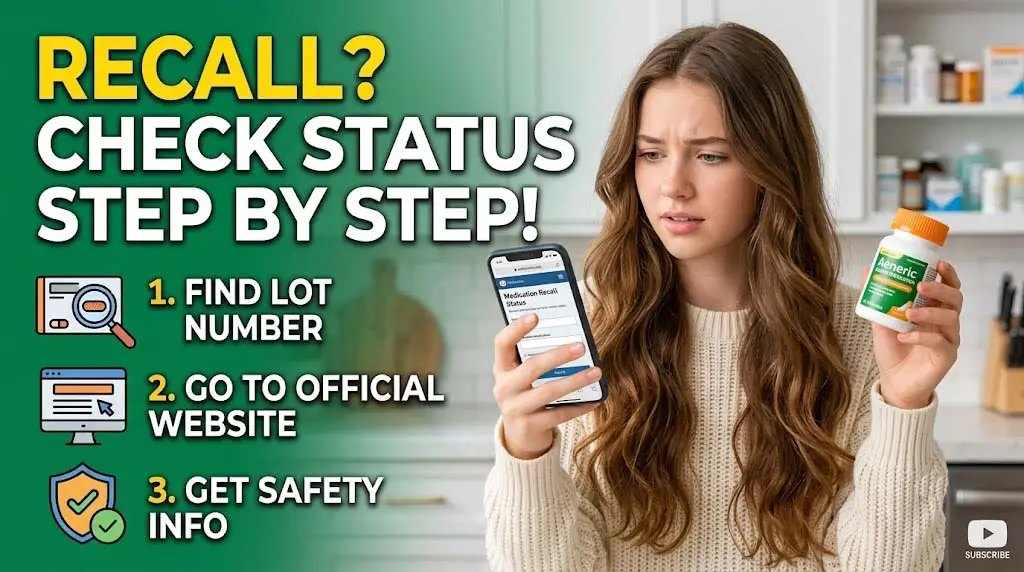
Consumers should cross‑reference their cetirizine lot number with the FDA recall database to determine if their specific product is affected. Source: Adapted from FDA Consumer Guidance.
Cetirizine Recall at a Glance: Affected Brands and Lot Number Ranges
| Manufacturer | Product Description | Lot Number Range |
|---|---|---|
| Aurobindo Pharma | Cetirizine HCl 10 mg tablets, 90‑count | CE22001A – CE22098B |
| Dr. Reddy’s Laboratories | Cetirizine HCl 5 mg chewable, 30‑count | C501234 – C501267 |
| Teva Pharmaceuticals | Cetirizine HCl 1 mg/mL syrup, 120 mL | TXA890 – TXA912 |
| Major Store Brands (Walmart, CVS, Walgreens) | Various OTC 10 mg tablets | Refer to FDA list (updated weekly) |
Frequently Asked Questions: Cetirizine Recall & Allergy Medication Safety
Stop taking it immediately and switch to a non‑recalled alternative. The long‑term cancer risk from such exposure is extremely low, but you should discuss your specific situation with your doctor, especially if you have other risk factors.
Yes. Most pharmacies will accept recalled medication for proper disposal and provide a refund or a replacement from a non‑recalled lot. Call ahead to confirm, and do not flush the medication yourself.
As of now, the recall affects only certain generic versions of cetirizine hydrochloride. Name‑brand Zyrtec (manufactured by Johnson & Johnson) has not been included in the recall, but check the FDA database for updates, as the situation may evolve.
Yes. Several liquid formulations of cetirizine hydrochloride for children have been recalled. Always check the lot number on the bottle against the FDA list before administering to your child.
While natural approaches may not fully replace antihistamines for severe allergies, options include quercetin supplements, stinging nettle leaf tea, local honey (for pollen allergies), saline nasal rinses, and HEPA air purifiers. Discuss these with your doctor.
Conclusion: Empowered Vigilance in an Imperfect Drug Supply
The cetirizine recall of 2026 is a stark reminder that even the most routine, trusted medications can harbor hidden risks when manufacturing quality control fails. It is not a call to abandon pharmaceutical treatment altogether, but rather a call to stay informed, proactive, and engaged in your own health. By checking your medication lots, communicating with your healthcare team, and adopting a lifestyle that supports your body’s resilience, you can navigate this recall with clarity and calm. At glowwithnature.com, we believe that knowledge is the best medicine. Your health is your most precious asset—guard it with vigilance, nourish it with whole foods and clean living, and never hesitate to question what goes into your body. The path forward is one of empowered, holistic wellness.

Leave a Comment