
Hair Growth Serum Contamination Alert: The 2026 Guide to Undeclared Drug Risks & Safe Scalp Care
Advanced Ingredient Transparency | FDA Watchdog Analysis | Published by glowwithnature.com
There’s a quiet, deeply unsettling crisis unfolding inside the global hair care market right now—and most consumers have absolutely no idea it’s happening. Walk into any beauty supply store, scroll through a few pages of online marketplaces, or browse social media ads, and you’ll be bombarded with slickly packaged hair growth serum bottles promising miraculous, rapid regrowth. They feature glowing before-and-after photos, heartfelt testimonials, and ingredient lists that read like an herbalist’s dream: rosemary, biotin, ginseng, pumpkin seed oil. The messaging feels pure, botanical, and utterly trustworthy. But behind that veneer of natural wellness, a disturbing number of these serums are spiked with potent, undeclared pharmaceutical drugs that can wreak absolute havoc on your endocrine system, cardiovascular health, and fragile scalp tissue.
The hair growth serum contamination epidemic isn’t a fringe conspiracy theory peddled by alarmist bloggers. It is a documented, evidence-backed public health concern that has triggered formal warnings from the U.S. Food and Drug Administration, Health Canada, and the European Medicines Agency over the past several years—and the problem has only intensified heading into 2026. Independent laboratory testing consistently reveals that a shockingly high percentage of so-called “natural” or “herbal” hair regrowth serums contain undeclared minoxidil, finasteride, spironolactone, and even potent corticosteroids—none of which appear anywhere on the product label.
At Glow With Nature, we’ve spent years championing truly transparent, biologically respectful hair care. We believe that every person who massages a serum into their scalp deserves to know exactly what molecules are penetrating their dermal barrier and entering their bloodstream. The current wave of FDA hair serum warning notices makes one thing brutally clear: the global hair growth industry has a massive, dangerous transparency deficit, and consumers are paying the price with their health. This comprehensive, meticulously researched guide will walk you through the full scope of the crisis—from the pharmacology of the hidden drugs to the clinical symptoms of adverse reactions, and most importantly, the step-by-step protocol for detoxifying your scalp and transitioning to genuinely safe, effective natural alternatives.
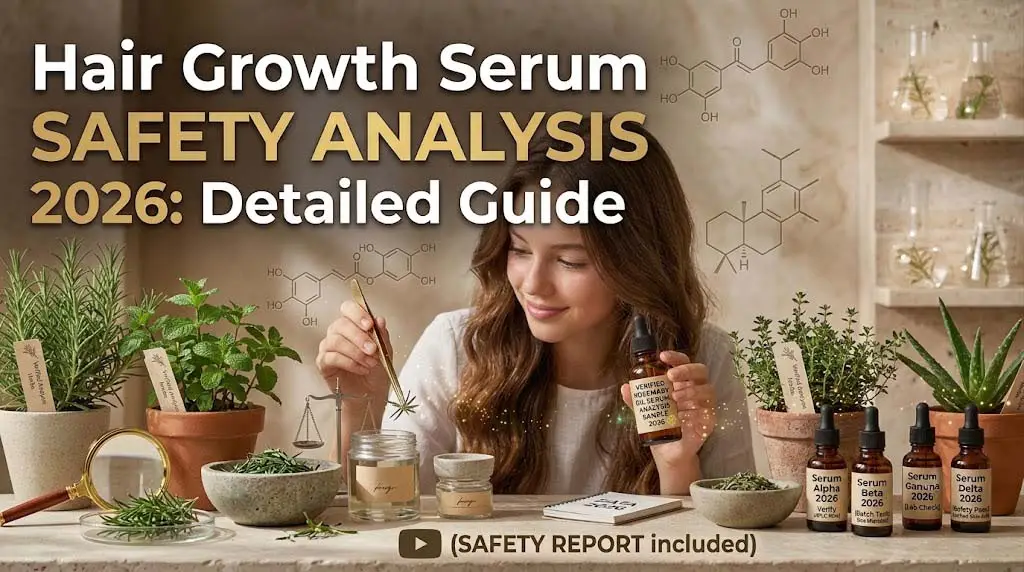
Independent laboratory testing continues to reveal undeclared pharmaceutical ingredients in hair growth serums marketed as “all-natural.” Source: FDA Adverse Event Reporting System & independent toxicology reviews.
The Regulatory Crackdown: What the FDA Has Uncovered
The U.S. Food and Drug Administration doesn’t issue public safety alerts lightly. When the agency’s forensic chemistry division begins systematically testing over-the-counter cosmetic hair products and finding pharmaceutical contaminants, it signals a systemic market failure that demands aggressive consumer awareness. Over the past three years alone, the FDA has issued more than two dozen official warning letters and public notifications regarding hair growth serum contamination—and those represent only the products that were actually caught. The true scope of the problem is almost certainly far larger, given the agency’s limited resources for cosmetic market surveillance.
In one particularly egregious case that made headlines in late 2025, an “organic Ayurvedic hair regrowth oil” sold through multiple major e-commerce platforms was found to contain not only undeclared minoxidil at nearly triple the concentration found in prescription formulations, but also clobetasol propionate—a super-potent topical corticosteroid that should never, under any circumstances, be applied to the scalp without strict medical supervision. Clobetasol can cause irreversible skin atrophy, adrenal suppression, and a brutal rebound effect where the underlying condition returns far worse than before once the steroid is withdrawn. The manufacturer had marketed the product with images of lush green herbs and phrases like “ancient wisdom for modern hair loss.” Consumers who used this oil—many for months—had been unknowingly subjecting their bodies to a pharmaceutical cocktail that no ethical physician would ever prescribe casually.
Health Canada’s Cosmetic Safety Program has similarly ramped up its testing protocols, finding that approximately 18% of imported hair growth products labeled as “natural” contained undeclared active pharmaceutical ingredients. The European Medicines Agency has flagged parallel concerns, particularly regarding products sold through cross-border e-commerce channels that bypass EU cosmetic safety regulations entirely. The pattern is unmistakable: the dangerous hair growth products tend to originate from unregistered, poorly regulated manufacturing facilities that operate outside the jurisdiction of any meaningful quality control framework. They flood into consumer markets through third-party sellers on large platforms, making traceability and accountability nearly impossible. (FDA Cosmetics Recalls & Safety Alerts)
CRITICAL HEALTH ADVISORY: Who Faces the Greatest Danger?
The risks of undeclared minoxidil in hair products and hidden finasteride extend far beyond mild scalp irritation. Pregnant or breastfeeding individuals face catastrophic potential consequences from even trace exposure to finasteride, which can cause severe birth defects. Individuals with pre-existing heart conditions, particularly arrhythmias or uncontrolled hypertension, can experience dangerous cardiovascular events from absorbed minoxidil—the drug was literally designed to alter blood pressure. People managing autoimmune conditions or taking immunosuppressant medications face heightened risk of systemic absorption and unpredictable drug interactions. And anyone with a history of contact dermatitis or compromised scalp barrier integrity will absorb these hidden drugs far more efficiently, multiplying the effective dose beyond anything remotely safe. If you have used a suspect serum and experience chest pain, rapid heartbeat, unexplained swelling, severe dizziness, or sudden changes in hair growth patterns on your face or body, seek immediate medical evaluation and bring the product bottle with you.
Recognizing the Damage: Clinical Signs of Contaminated Serum Exposure
If you’ve been applying a hair growth serum that you now suspect may contain undeclared pharmaceutical ingredients, your body has likely been sending you distress signals that are all too easy to dismiss or attribute to other causes. The symptoms of exposure vary depending on which drug is present, its concentration, how long you’ve used the product, and your individual physiology—but there are clear clinical patterns that should trigger immediate concern.
- Unexplained Facial or Body Hair Growth (Hypertrichosis): Minoxidil’s most distinctive side effect is unwanted hair growth in areas where the medication was never applied. If you suddenly notice new hair sprouting on your cheeks, forehead, upper lip, or even your arms and hands—and you’ve been using a “natural” scalp serum—undeclared minoxidil is the most likely explanation. This occurs because the drug enters systemic circulation and stimulates hair follicles everywhere, not just on the scalp.
- Persistent Scalp Burning, Redness, and Contact Dermatitis: While some botanical ingredients can cause mild tingling, a contaminated serum often produces a burning sensation that intensifies over time rather than subsiding. The scalp may appear persistently red, flaky, and inflamed—a sign that the skin barrier is being chemically assaulted by pharmaceutical compounds it was never designed to tolerate at such concentrations.
- Systemic Symptoms: Dizziness, Heart Palpitations, and Headaches: When minoxidil penetrates the scalp and enters the bloodstream, its vasodilatory effects don’t limit themselves to hair follicles. Blood vessels throughout the body widen, potentially causing a sudden drop in blood pressure that manifests as dizziness upon standing, a racing or irregular heartbeat, and persistent low-grade headaches that don’t respond to typical remedies.
- Hormonal Disruption and Menstrual Irregularities: Finasteride’s anti-androgenic effects can profoundly disrupt the delicate hormonal balance in women, leading to irregular menstrual cycles, breast tenderness, mood fluctuations, and decreased libido. These symptoms often develop gradually, making them easy to misattribute to stress or other lifestyle factors—but if they coincide with the introduction of a new hair serum, the connection warrants serious investigation.
- The Dread Shed Phenomenon: A sudden, dramatic increase in hair shedding within 2–6 weeks of starting a new serum is classically associated with minoxidil initiation. While this “dread shed” is technically a sign that the drug is working—pushing resting follicles into the active growth phase—it’s psychologically traumatic and should never be experienced without full informed consent and medical guidance.
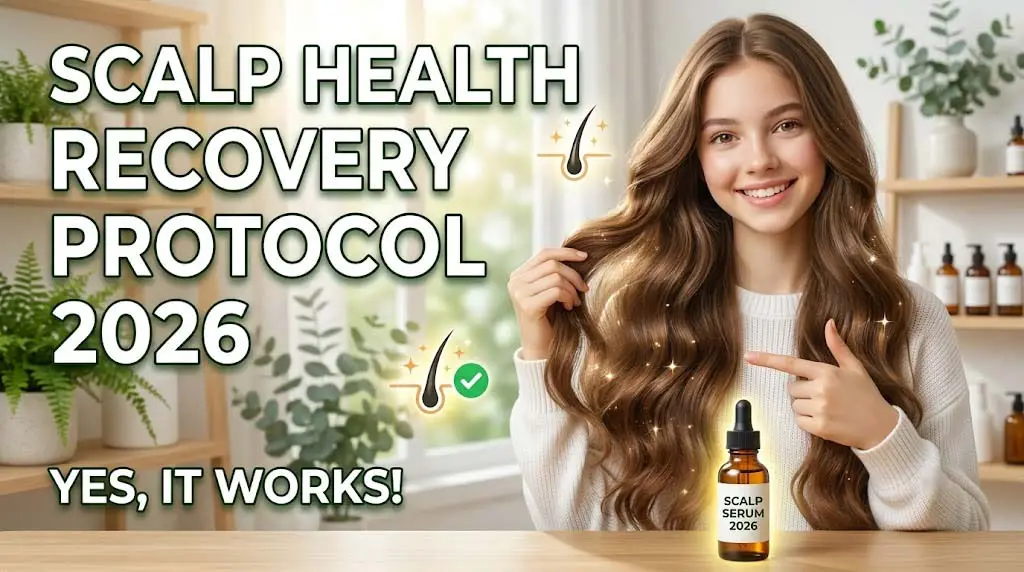
A structured, dermatologist-informed scalp recovery protocol emphasizes gentle cleansing, barrier repair, and verified natural growth stimulants—never undeclared pharmaceuticals.
The Glow With Nature Recovery Protocol: Detoxifying Your Scalp After Contaminated Serum Exposure
Discovering that a product you trusted enough to apply directly to your skin every single day was secretly laced with prescription-strength drugs is a profound betrayal. Your immediate priority must be to halt all exposure, support your body’s natural detoxification pathways, and rebuild your scalp’s damaged barrier with genuinely pure, clinically sound alternatives. This is not a situation where you should “taper off” or finish the bottle. The moment you suspect hair growth serum contamination, the product goes in the trash—sealed in a bag, disposed of securely, and never touched again. Then, follow this evidence-based, four-phase recovery protocol.
Phase 1: Complete Cessation and Scalp Decontamination
Stop using the suspect serum immediately. Do not apply any other leave-on hair products for at least 72 hours to allow your scalp’s natural equilibrium to begin resetting. Wash your scalp gently but thoroughly with a fragrance-free, sulfate-free cleanser that contains no active ingredients—look for products with minimal ingredient lists centered on gentle surfactants like sodium cocoyl isethionate or decyl glucoside. Rinse with lukewarm water only; hot water will further irritate already sensitized skin. Pat your scalp dry with a clean microfiber towel rather than rubbing vigorously. This initial wash removes residual product from the scalp surface, though drugs already absorbed systemically will need to be metabolized naturally by your body over the following days to weeks.
Phase 2: Barrier Repair and Inflammation Suppression
After the initial 72-hour reset period, begin applying a pure, single-ingredient oil that closely mimics the scalp’s natural sebum. Golden jojoba oil—technically a liquid wax ester—is the gold standard here. It absorbs readily without clogging follicles, delivers deep moisture to parched, irritated skin, and contains natural anti-inflammatory compounds that calm the angry redness left behind by chemical irritants. Apply 4–5 drops directly to the fingertips, gently press (don’t rub) the oil onto the most inflamed areas of the scalp, and leave it on overnight. Repeat nightly for two weeks. The American Academy of Dermatology’s guidelines on contact dermatitis recovery emphasize the critical importance of barrier restoration using non-comedogenic, fragrance-free emollients during the healing phase. (AAD Contact Dermatitis Recovery Guidelines)
Phase 3: Gentle Botanical Growth Support (Pharmaceutical-Free)
Once the inflammation has visibly subsided—typically after 14 to 21 days of consistent barrier repair—you can cautiously reintroduce active botanical ingredients that support healthy hair growth through entirely natural, non-pharmacological mechanisms. Rosemary essential oil, diluted to a safe 2% concentration in a carrier oil (that’s roughly 6 drops of rosemary oil per tablespoon of jojoba or argan oil), has demonstrated impressive hair growth stimulation in peer-reviewed research, matching the efficacy of 2% minoxidil in one notable 2015 randomized controlled trial published in Skinmed Journal. Unlike undeclared pharmaceuticals, properly diluted rosemary oil works gradually by improving local circulation and reducing scalp inflammation through its natural rosmarinic acid and carnosic acid content—no hormonal disruption, no cardiac side effects, no betrayal of trust. (PubMed: Rosemary Oil vs. Minoxidil Comparative Trial)
Phase 4: Microbiome Restoration and Ongoing Vigilance
Your scalp hosts a complex ecosystem of beneficial microorganisms that play a crucial role in maintaining skin barrier integrity and defending against pathogenic invaders. Harsh pharmaceuticals—especially undisclosed corticosteroids—can decimate this microbial community. Restore it by incorporating a high-quality, third-party-tested topical probiotic scalp treatment containing Lactobacillus and Bifidobacterium ferments. These beneficial bacteria produce antimicrobial peptides, lower local skin pH to levels inhospitable to pathogens, and communicate with your immune system to dial down residual inflammation. Apply the probiotic treatment 2–3 times weekly for at least one month following the acute recovery phase. A 2023 study from the International Journal of Cosmetic Science confirmed that topical probiotics significantly accelerated scalp barrier recovery following chemical-induced dermatitis. (International Journal of Cosmetic Science)
The 2026 Hair Serum Safety & Recovery Matrix
Use this data-driven reference table to quickly identify dangerous product categories, understand the associated health risks, and implement the correct evidence-based mitigation strategy. Print it, bookmark it, and consult it every time you evaluate a new hair care product.
| Product Red Flag | Health Risk | Safe Action Plan |
|---|---|---|
| No third-party lab testing available | High probability of undeclared minoxidil, finasteride, or corticosteroids; completely unknown risk profile. | Eliminate product immediately. Only purchase serums that publicly share batch-specific third-party purity testing results from ISO-certified laboratories. |
| Dramatic before-and-after photos in under 4 weeks | Rapid, dramatic hair regrowth is pharmacologically implausible without minoxidil or steroids; images likely fraudulent or product is spiked. | Treat such marketing as a major red flag. Real natural hair growth is gradual and becomes visible only after 3–6 months of consistent care. |
| Vague ingredient labeling like “proprietary blend” | Manufacturers use “proprietary” claims to conceal undeclared active pharmaceuticals from consumers and regulators. | Demand full ingredient disclosure including exact concentrations. Avoid any product that hides behind “trade secret” language when your health is at stake. |
| Product sold exclusively through social media or unregulated marketplaces | Products bypassing established retail channels face zero regulatory scrutiny and are overwhelmingly linked to contamination cases. | Purchase hair care products only from authorized retailers, brand websites with verified safety data, or licensed salon professionals with documented supply chains. |
| Suspiciously low price for promised results | Legitimate, high-quality botanical ingredients and third-party testing cost money; rock-bottom prices often indicate adulterated, unregulated manufacturing. | Understand that genuine safety and efficacy require investment. A $9.99 “miracle growth serum” is almost certainly cutting corners in ways that endanger your health. |
Building a Truly Safe Hair Growth Routine
The FDA hair serum warning landscape has taught us one non-negotiable lesson: the only person who can truly protect your scalp health is you. As you rebuild your hair care regimen after a contamination scare—or as you proactively audit your current products—embrace a zero-tolerance policy for opacity. Demand that every brand you support provides full ingredient transparency, shares accessible third-party purity testing results, and manufactures in cGMP-certified (Current Good Manufacturing Practice) facilities subject to regular, unannounced audits. Prioritize serums packaged in airless pump bottles with UV-protective coatings that shield delicate botanical ingredients from light degradation and microbial contamination. Seek out formulations centered on rigorously studied natural growth promoters—rosemary, pumpkin seed oil, saw palmetto extract, and caffeine—that work in harmony with your body’s own biology rather than hijacking it with undisclosed drugs. Your scalp deserves nothing less than absolute purity, and you have every right to demand it from the brands competing for your trust and your hard-earned money.
Frequently Asked Questions: Hair Serum Safety & Contamination Concerns
The only definitive way to know is through independent laboratory analysis—but there are strong indicators. If your serum produces rapid, dramatic hair growth within weeks, causes unwanted facial hair, triggers heart palpitations or dizziness, or burns intensely upon application, stop using it immediately and report it to the FDA’s MedWatch program. Look up the brand on the FDA’s warning letter database and search for any third-party testing reports. If the manufacturer refuses to share purity testing data, treat that opacity as confirmation of risk.
Stop immediately and schedule an appointment with your primary care physician or a board-certified dermatologist. Bring the product bottle with you. Your doctor may recommend baseline blood work to check for hormonal disruptions, liver function impacts, or cardiovascular changes depending on which drug was present and for how long you were exposed. Document any symptoms you’ve experienced—including mood changes, menstrual irregularities, or hair shedding patterns—to share with your healthcare provider. Most adverse effects resolve after discontinuation, but medical monitoring is essential.
Yes—but expectations must be realistic. Peer-reviewed research supports rosemary essential oil, pumpkin seed oil (both topical and oral), and caffeine-based serums as legitimate, pharmaceutical-free options that support healthy hair growth through anti-inflammatory, circulation-boosting, and mild DHT-modulating mechanisms. These natural alternatives work gradually—expect visible improvements over 4–6 months of consistent use rather than weeks. The trade-off for slower results is complete safety: no cardiac risks, no hormonal disruption, and no hidden ingredients.
The global cosmetics market is vast and moves faster than regulatory agencies can monitor. Manufacturers of adulterated products frequently operate from jurisdictions with weak enforcement, change brand names rapidly after being caught, and exploit the sheer volume of products entering the market through e-commerce platforms. The FDA relies heavily on adverse event reports from consumers and healthcare providers to identify dangerous products. This is why reporting any suspected contamination to the FDA MedWatch system is critically important—your report could be the data point that triggers an investigation and protects thousands of other consumers.
Potentially, yes. Products containing undeclared pharmaceuticals violate federal law under the Food, Drug, and Cosmetic Act, and you may have grounds for a product liability lawsuit if you suffered measurable harm. Consult with a consumer protection attorney who specializes in cosmetic or pharmaceutical injury cases. Preserve the product bottle, any remaining serum, all purchase records, photographs of your adverse reactions, medical records documenting your treatment, and any communication with the brand. Class-action lawsuits against manufacturers of adulterated hair products have succeeded in the past when enough affected consumers came forward.
Conclusion: Your Scalp, Your Sovereignty, Your Right to Know
The era of blind consumer trust in the hair care industry is over—and honestly, that’s a good thing. The widespread hair growth serum contamination crisis, with its troubling pattern of undeclared minoxidil in hair products and hidden finasteride, has forced a necessary reckoning. It has reminded us that beautiful packaging, persuasive marketing, and even thousands of five-star reviews can mask a deeply dangerous reality. Your scalp is not a testing ground for unregulated pharmaceutical experiments. Every single drop of serum you apply is absorbed through a permeable biological barrier with direct access to your bloodstream, your hormonal systems, and your most sensitive tissues.
At glowwithnature.com, we stand unequivocally for radical transparency, uncompromising safety, and the sovereign right of every consumer to know exactly what they’re putting on their body. You deserve hair growth solutions that work with your biology, not against it—formulations built on honest botanical science, verified by independent laboratory testing, and manufactured in facilities that treat sterility and purity as non-negotiable absolutes. The path forward is clear: audit your current products ruthlessly, discard anything that fails the transparency test, embrace the gentle power of truly natural growth stimulants, and never, ever stop demanding better from the industry that profits from your trust.
Your hair is an expression of your identity. Your scalp is living, breathing tissue that deserves protection and respect. Reclaim your sovereignty over both. Stay informed, stay vigilant, and let the crisis of contamination fuel a movement toward a cleaner, safer, and genuinely honest future for everyone who simply wants their hair to grow—safely, naturally, and on their own terms.


Leave a Comment