
Louisiana Vibrio Vulnificus Outbreak: Flesh‑Eating Bacteria Cases Surge in Warm Gulf Waters
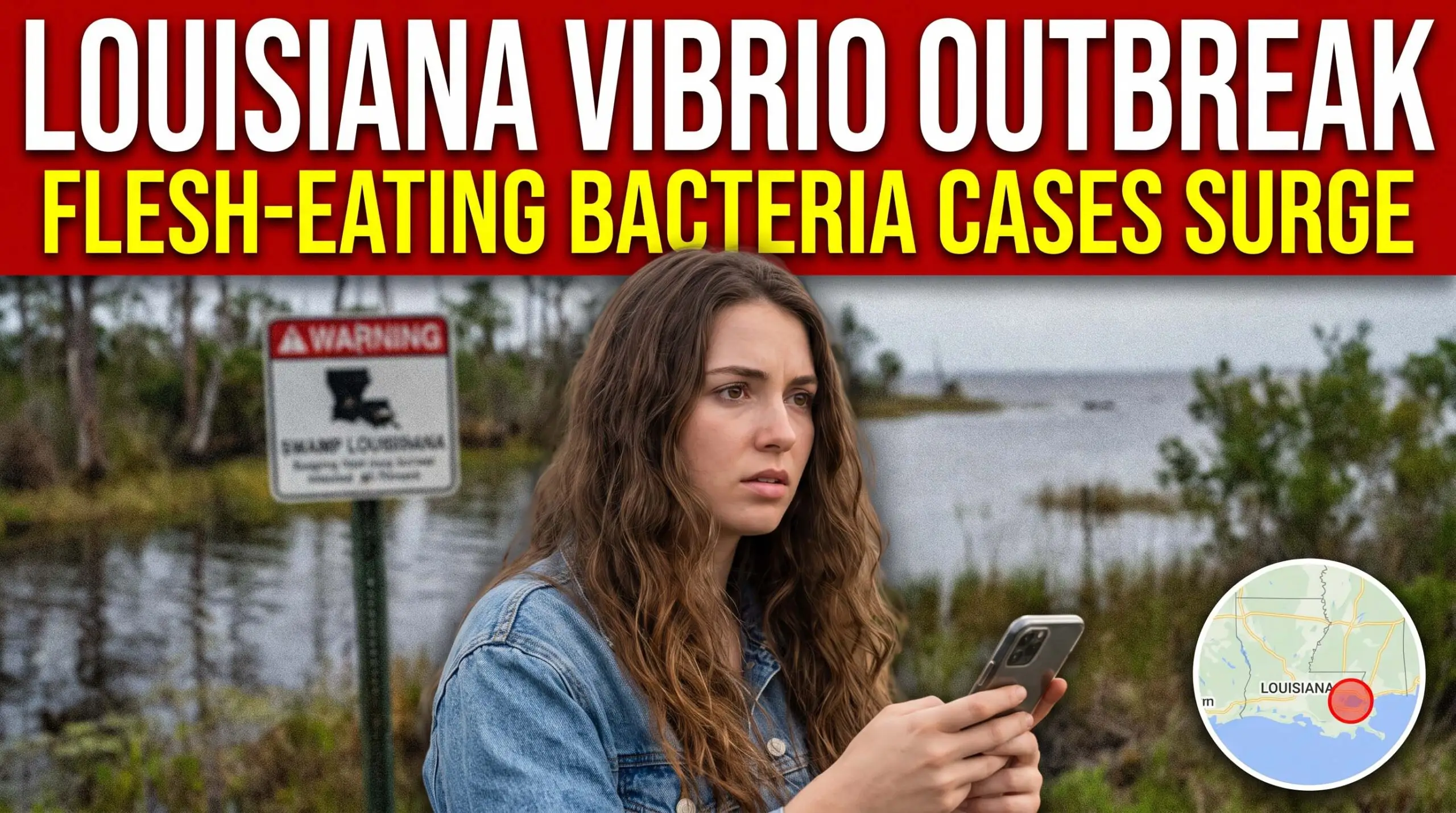
Louisiana health officials have placed warning signs at coastal access points, alerting the public to the increased risk of Vibrio vulnificus infections in warm saltwater. Source: Louisiana Department of Health.
Deadly Vibrio Infections Linked to Saltwater & Raw Seafood · Multiple Deaths Reported · Published by glowwithnature.com
When the warm, brackish waters of Louisiana’s Gulf Coast beckon, few people imagine that a microscopic organism could turn a leisurely swim or a plate of oysters into a life‑threatening medical crisis. But the Louisiana vibrio vulnificus outbreak of 2026 is a terrifying reminder that the ocean’s invisible inhabitants can be far more dangerous than any shark. The bacterium Vibrio vulnificus, often called the “flesh‑eating bacteria,” has infected multiple people across the state, causing severe wound infections, sepsis, and deaths. With water temperatures rising earlier and staying higher longer, health officials warn that the risk is no longer confined to midsummer—it’s now a threat that extends across the entire warm season.
What makes this Louisiana flesh-eating bacteria outbreak particularly alarming is the bacterium’s ability to destroy tissue with shocking speed. In some cases, a small cut exposed to Gulf water has turned into a necrotic wound requiring limb amputation within 48 hours. For people with certain underlying health conditions, even a minor scrape can become a fatal bloodstream infection. The Louisiana Department of Health has issued urgent public advisories, and hospitals along the coast are on high alert. At Glow With Nature, we believe that enjoying nature’s beauty does not mean ignoring its dangers. This comprehensive guide will explain exactly what Vibrio vulnificus is, who is most at risk, the symptoms that demand immediate medical attention, and the practical steps you can take to protect yourself and your family while still savoring the coastal lifestyle. The goal is not to frighten you away from the water, but to empower you to enjoy it safely.
Louisiana health officials have placed warning signs at coastal access points, alerting the public to the increased risk of Vibrio vulnificus infections in warm saltwater. Source: Louisiana Department of Health.
The Flesh‑Eating Myth: Understanding Vibrio Vulnificus and How It Destroys Tissue
The term “flesh‑eating bacteria” is scientifically imprecise but captures the public’s imagination for a reason. Vibrio vulnificus is a Gram‑negative, halophilic (salt‑loving) bacterium that naturally inhabits warm coastal waters, especially estuaries where freshwater and saltwater mix. It is not a product of pollution; it’s a native member of the marine ecosystem. The bacterium possesses a formidable arsenal of virulence factors, including a polysaccharide capsule that helps it evade the immune system and a potent hemolysin toxin that destroys red blood cells and surrounding tissue. When it enters an open wound, it can trigger a rapidly progressing necrotizing fasciitis—the destruction of skin, fat, and muscle—that if untreated can lead to amputation or death within days. The phrase Louisiana flesh-eating bacteria stems from these flesh‑destroying capabilities, though the term is a bit of a misnomer because the bacteria don’t actually “eat” tissue; they release toxins that cause massive tissue death. (CDC: Vibrio vulnificus Wound Infections)
The bacteria can also cause illness when ingested, primarily through raw or undercooked shellfish, especially oysters. In the digestive tract, Vibrio vulnificus can cross the intestinal wall and enter the bloodstream, leading to septic shock with a mortality rate exceeding 50% in high‑risk individuals. Even in otherwise healthy people, the foodborne form can cause severe gastroenteritis with profuse watery diarrhea, abdominal cramping, and vomiting. The dual threat—wound infections from water contact and systemic infections from seafood—makes this pathogen uniquely dangerous. The current Louisiana vibrio vulnificus outbreak includes cases from both pathways, though wound infections are more common among fishermen, boaters, and beachgoers, while foodborne cases often affect those who consume raw oysters at restaurants or backyard boils.
The 2026 Louisiana Outbreak: Case Counts, Deaths, and Where the Risk Is Highest
As of August 2026, the Louisiana Department of Health reports a sharp increase in Vibrio vulnificus infections compared to the five‑year average. While final numbers are still being compiled, epidemiologists confirm that cases have appeared in coastal parishes including Terrebonne, Lafourche, Plaquemines, St. Bernard, and Jefferson, as well as inland areas where raw seafood consumption is the likely source. At least a dozen people have been hospitalized with severe wound infections, and several deaths have been recorded, all among individuals with pre‑existing liver disease, diabetes, or immunocompromising conditions. The Louisiana vibrio vulnificus outbreak pattern mirrors national trends: warming Gulf waters are expanding the bacterium’s range and lengthening the season during which it can infect humans. (Louisiana Department of Health: Vibrio Surveillance)
Health investigators have traced some cases to specific exposure events—a family fishing trip near Grand Isle where several members cut themselves on oyster shells, a backyard crab boil where the cook had a small cut on his hand, and multiple restaurant‑associated oyster consumption cases in New Orleans. The common thread is warm, salty water and raw seafood. The outbreak has prompted the state to increase public messaging about the risks, and some restaurants have voluntarily added warning labels to raw oyster menus. Despite these efforts, emergency rooms continue to see new cases, especially among tourists who may not be aware of the danger. The message from health officials is urgent: if you have a cut or scrape, stay out of the water. If you have a weakened immune system or liver disease, don’t eat raw oysters.
WHO IS AT GREATEST RISK? THE HOST FACTORS THAT MATTER
The vast majority of severe Vibrio vulnificus infections occur in people with specific underlying conditions. Chronic liver disease—including cirrhosis, hepatitis B or C, and alcoholic liver disease—is the single most important risk factor because the liver normally filters bacteria from the blood. Diabetes (especially with poor glucose control), hemochromatosis (iron overload disorder), cancer, organ transplantation, and immunosuppressive medications all dramatically increase susceptibility. If you or a loved one falls into any of these categories, a small cut or a raw oyster can be deadly. The Louisiana Department of Health explicitly advises these high‑risk individuals to avoid raw shellfish entirely and to cover all wounds with waterproof bandages before any saltwater exposure. Even a tiny puncture from a fishhook or crab claw can lead to catastrophic infection.
Wound infections from Vibrio vulnificus can progress from a minor cut to life‑threatening tissue destruction within 24 hours. Early recognition and treatment are critical. Source: CDC / Louisiana Department of Health.
Recognizing the Signs: Symptoms of Vibrio Vulnificus Infection You Must Not Ignore
The speed at which Vibrio vulnificus can transform a minor injury into a medical emergency is its most terrifying feature. Symptoms can begin within 4–12 hours of exposure, though some cases may take up to 72 hours to manifest. The key is to act immediately when certain warning signs appear, especially if you have recently been in saltwater, handled raw seafood, or eaten raw oysters.
- Rapidly Spreading Wound Infection: A cut or scrape that was previously unremarkable suddenly becomes intensely painful, red, and swollen. The pain is often out of proportion to the wound’s size. Within hours, fluid‑filled blisters (bullae) may form, and the surrounding skin may turn dusky, purple, or black as tissue dies. This is a sign of necrotizing fasciitis and requires emergency surgical debridement.
- Systemic Signs of Sepsis: Fever, chills, dangerously low blood pressure, confusion, and a rapid heart rate indicate the bacteria have entered the bloodstream. Septic shock from Louisiana flesh-eating bacteria carries a mortality rate of 30–50% even with intensive care.
- Gastrointestinal Catastrophe (from eating contaminated seafood): Profuse, watery diarrhea (often green‑tinged and foul‑smelling), severe abdominal cramping, nausea, and vomiting usually start within 12–72 hours of consumption. In high‑risk individuals, this can progress to bloodstream invasion and sepsis.
- Cellulitis‑like Spreading and Swelling: Before blisters form, the affected area may look like severe cellulitis—bright red, hot to the touch, and swelling rapidly. If the infection is not controlled, it can spread along fascial planes beneath the skin, requiring extensive surgical removal of dead tissue.
Time is the single most critical variable. Patients who receive appropriate intravenous antibiotics (typically a combination of a third‑generation cephalosporin plus doxycycline or a fluoroquinolone) and surgical debridement within 24 hours of symptom onset have a survival rate above 95%. After 48 hours, the outlook darkens considerably. If you have any risk factors and suspect exposure, go directly to an emergency room. Tell the triage nurse explicitly: “I have a wound that was exposed to saltwater, and I have liver disease [or another high‑risk condition].” That information will fast‑track the appropriate diagnostic and treatment pathway. (CDC: Treatment for Vibrio Infections)
Staying Safe: How to Avoid Vibrio Vulnificus While Enjoying Louisiana’s Coast
You don’t have to abandon the beach, the boat, or the seafood boil. A few simple, consistent precautions can dramatically reduce your risk of encountering Vibrio vulnificus.
- Cover all wounds with a waterproof bandage before entering saltwater or handling raw seafood. If you sustain a cut while in the water, get out immediately, wash it thoroughly with soap and fresh water, apply antiseptic, and cover it. Monitor closely for the next 24 hours.
- Wear protective gloves when shucking oysters, cleaning fish, or handling crabs and shrimp. Thick, waterproof gloves prevent small puncture wounds that can serve as entry points for the bacteria.
- Avoid raw oysters and undercooked shellfish if you have any of the high‑risk conditions. Cook all shellfish to an internal temperature of at least 145°F. For healthy individuals, the risk from raw oysters is low but not zero. Consider whether the briny delicacy is worth the small gamble.
- Shower thoroughly with soap and fresh water after leaving the Gulf. Rinse off any saltwater residue to remove bacteria from the skin’s surface. Pay attention to minor abrasions you may not have noticed.
- Do not swim or wade with an open wound, even a tiny one. Wait until the wound has fully healed. Be especially cautious if you have a weakened immune system.
These measures are not burdensome; they are habits that can save your life or the life of a loved one. Make them part of your coastal routine, just like applying sunscreen. (Florida Department of Health: Vibrio Prevention)
A Quick Guide: When to Seek Emergency Care After Saltwater Exposure
If a wound exposed to saltwater or raw seafood becomes increasingly painful, red, swollen, or develops blisters, do not wait. Go to an emergency department immediately. Tell the staff about the saltwater exposure and any underlying health conditions. Early treatment can mean the difference between a full recovery and a devastating outcome.
Treatment and Recovery: The Race Against the Flesh‑Eating Bacteria
Once a Vibrio vulnificus infection is suspected, the medical response must be immediate and aggressive. Intravenous antibiotics are started immediately, often before laboratory confirmation of the organism, because the window for effective treatment is measured in hours. The CDC recommends a combination of a third‑generation cephalosporin (such as ceftazidime) plus doxycycline, or a fluoroquinolone like ciprofloxacin. However, antibiotics alone may not be sufficient. Because the bacterium produces tissue‑destroying enzymes, dead and dying tissue must be surgically removed to prevent further spread. This procedure, known as aggressive surgical debridement, can be extensive, sometimes requiring the removal of large amounts of skin, fat, and muscle. In severe cases, amputation of a limb may be necessary to save the patient’s life. (StatPearls: Vibrio vulnificus Management)
Patients often undergo multiple surgeries over several days, followed by intensive care for sepsis management. Survivors of severe wound infections face a long, difficult recovery involving reconstructive surgery and skin grafts. The economic cost is staggering, but the human cost—losing a limb or a life—is incalculable. The good news is that with early intervention, the vast majority of patients survive and recover. The key is not to delay. If there is any suspicion of Louisiana flesh-eating bacteria, err on the side of urgent evaluation. Even if it turns out to be a less serious infection, the precaution is never wasted.
Your 5‑Step Protection Protocol for Coastal Louisiana
Follow this evidence‑based checklist every time you head to the coast or prepare seafood.
Step 1: Inspect Your Skin Before Entering the Water
Check for any cuts, scrapes, insect bites, or surgical incisions. Cover them with waterproof bandages. If you have a chronic wound or ulcer, stay out of the water entirely. The barrier of your skin is your best defense.
Step 2: Wear Protective Gear When Handling Seafood
Thick, waterproof gloves are essential when shucking oysters, peeling shrimp, or cleaning fish. Replace gloves that become torn. A puncture from a crab shell or oyster knife can be the entry point for Vibrio vulnificus.
Step 3: Cook Shellfish Thoroughly
Boil, fry, or bake oysters until they reach an internal temperature of 145°F. This kills the bacteria instantly. If you’re in a high‑risk group, this is non‑negotiable. Even for healthy people, cooked seafood is always safer. (FDA: Safe Shellfish Handling)
Step 4: Shower After Saltwater Exposure
As soon as you leave the beach or boat, rinse off with soap and fresh water. This removes bacteria from your skin before they have a chance to enter a wound. Pay extra attention to areas where you might have small nicks or scratches.
Step 5: Know When to Seek Help
If a wound that was exposed to saltwater starts to get worse—more painful, red, swollen, or blistering—go to an emergency department immediately. Do not wait until the next day. Inform the staff about the saltwater exposure and any health conditions you have. Early, aggressive treatment saves lives and limbs.
Louisiana Vibrio Vulnificus Outbreak Snapshot (2026)
| Parish / Region | Confirmed Cases (Jan–Aug 2026) | Deaths | Primary Exposure |
|---|---|---|---|
| Terrebonne | 8 | 2 | Wound infections while fishing |
| Jefferson | 6 | 1 | Raw oyster consumption |
| Plaquemines | 5 | 1 | Wound exposure during shrimping |
| Orleans | 4 | 0 | Raw oyster consumption (tourists) |
Source: Louisiana Department of Health, Reportable Disease Surveillance, August 2026. Data are provisional.
Frequently Asked Questions: Louisiana Vibrio Vulnificus Outbreak
For healthy individuals with no open wounds, the risk is low but not zero. Avoid swallowing water, and shower after swimming. If you have a cut or scrape, cover it with a waterproof bandage, or better yet, stay out until it heals.
No. The bacterium requires saltwater or brackish water to survive. Properly chlorinated swimming pools and freshwater lakes are not at risk for Vibrio vulnificus.
Overall mortality is about 25–30%, but for wound infections that progress to septic shock, the rate can exceed 50%. Early treatment dramatically improves survival.
No one is completely immune, but healthy individuals have a much lower risk of severe disease. The immune system can often contain a small exposure before it becomes invasive. The danger is highest for those with liver disease, diabetes, or weakened immunity.
Wound symptoms can begin within 4–12 hours of exposure. Foodborne symptoms usually appear within 12–72 hours. Rapid onset is a hallmark of this infection.
Conclusion: Respect the Water, Protect Your Body, Savor Life Safely
The Louisiana vibrio vulnificus outbreak is a sobering reminder that nature’s beauty is paired with her power. The Gulf Coast is a treasure, and its seafood is a gift. But the microscopic organisms that thrive in its warm waters demand respect. By understanding who is at risk, recognizing the early signs of infection, and following simple prevention steps, you can enjoy everything Louisiana’s coast has to offer without becoming a statistic. At glowwithnature.com, we champion a life lived fully and safely, armed with knowledge and the wisdom to act on it. The ocean will always have its dangers, but you have the power to keep them at bay.

Leave a Comment