
Sweetener Used in Chewing Gum May Raise Heart and Stroke Risk: The Xylitol Warning
Latest Research | Platelet Aggregation | Published by glowwithnature.com
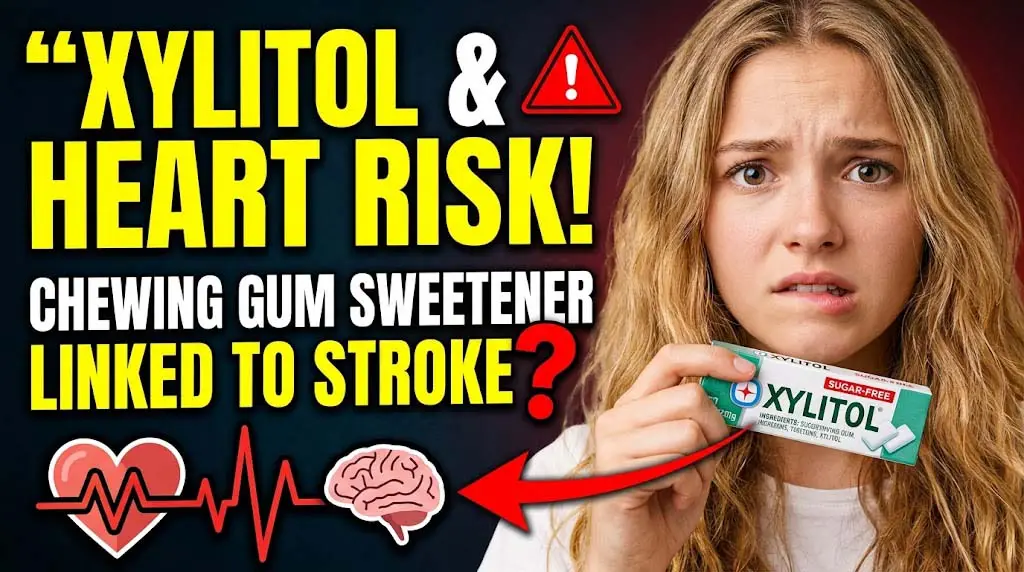
Figure 1: Emerging research suggests that xylitol, a common sweetener in chewing gum, may heighten cardiovascular risk through enhanced platelet aggregation.
In the modern pursuit of a healthier lifestyle, millions of consumers have turned to sugar-free products as a cornerstone of their dietary strategy. From chewing gum and breath mints to toothpaste and diabetic-friendly desserts, the market for sugar substitutes has exploded, driven by a collective desire to reduce caloric intake, prevent dental caries, and manage blood glucose levels. Among the most popular of these alternatives is xylitol, a naturally occurring sugar alcohol that has been widely embraced for its sweet taste, low glycemic index, and proven dental benefits. Yet, a growing body of scientific evidence is now raising a deeply unsettling question: could this seemingly benign artificial sweetener be silently contributing to a surge in life-threatening cardiovascular events?
The routine act of popping a stick of chewing gum after a meal, or using a xylitol-sweetened mouthwash to freshen breath, is ingrained in the daily rituals of billions of people worldwide. Consumers implicitly trust that products approved by regulatory bodies like the U.S. Food and Drug Administration (FDA) and the European Food Safety Authority (EFSA) are rigorously tested and unequivocally safe for long-term consumption. However, a landmark study published in the European Heart Journal in 2024 has sent shockwaves through the medical and nutritional communities, revealing a previously unknown and potentially dangerous mechanism by which xylitol may promote platelet aggregation, thrombosis, and acute cardiovascular events.
This groundbreaking research, conducted by a team of leading cardiologists at the Cleveland Clinic, demonstrated that circulating levels of xylitol in the blood are directly associated with enhanced platelet responsiveness, increasing the risk of clot formation. In simple terms, the very sweetener that we have been encouraged to use as a “healthy” alternative to sugar may actually be priming our blood to form dangerous clots that can trigger heart attacks and ischemic strokes. The study, which analyzed data from over 3,000 patients, found that individuals with the highest levels of xylitol in their plasma had a significantly elevated risk of experiencing major adverse cardiovascular events (MACE) over a three-year follow-up period.
At Glow With Nature, we believe that true health sovereignty begins with aggressive, evidence-based consumer awareness. You cannot protect your cardiovascular system from invisible thrombotic threats if you are not fully informed about the biochemical interactions of the ingredients you ingest daily. This exhaustive, clinical masterclass decodes the emerging science behind xylitol and heart risk, dissects the exact pathways by which this sweetener may induce platelet hyperreactivity, and provides a definitive, functional blueprint for safely navigating the sugar-free landscape while safeguarding your heart and brain health.
What is Xylitol? The Sweetener Under Scrutiny
Xylitol is a naturally occurring sugar alcohol, or polyol, that is found in small quantities in many fruits and vegetables, including berries, plums, and corn. It is also produced industrially through the hydrogenation of xylose, a sugar derived from plant biomass, most commonly from birch wood or corncobs. Xylitol has a sweetness comparable to sucrose (table sugar) but contains approximately 40% fewer calories, making it a highly attractive option for weight-conscious consumers and individuals with diabetes, as it does not significantly spike blood glucose or insulin levels.
Beyond its caloric advantage, xylitol has been extensively studied for its dental health benefits. It is a potent inhibitor of the growth of Streptococcus mutans, the primary bacterium responsible for dental caries (cavities). For this reason, xylitol has been widely incorporated into sugar-free chewing gums, mints, toothpastes, and mouthwashes, often marketed as a key ingredient for oral hygiene. The World Health Organization (WHO) and various national dental associations have endorsed the use of xylitol-based products as part of a comprehensive caries prevention strategy.
However, the very biochemical properties that make xylitol beneficial for teeth may be contributing to a hidden vascular danger. The new research suggests that xylitol is not simply metabolized and excreted harmlessly; rather, it can actively modify platelet function, leading to a pro-thrombotic state. This revelation has forced a fundamental re-evaluation of the risk-benefit profile of this ubiquitous artificial sweetener.
The Cleveland Clinic Study: Unmasking the Thrombotic Link
The pivotal study that ignited global concern regarding xylitol and cardiovascular risk was published in June 2024 in the European Heart Journal, a peer-reviewed journal of the European Society of Cardiology. The research was led by Dr. Stanley Hazen, MD, PhD, a renowned preventive cardiologist and chair of the Department of Cardiovascular and Metabolic Sciences at the Cleveland Clinic. Dr. Hazen’s team has a long history of investigating the role of gut microbiome metabolites in cardiovascular disease, having previously linked compounds like TMAO (trimethylamine N-oxide) to atherosclerosis.
In this study, researchers employed a multi-pronged approach to investigate the clinical relevance of xylitol. First, they performed an untargeted metabolomics analysis on plasma samples from a large cohort of patients undergoing cardiac evaluation. They identified xylitol as one of the circulating metabolites most strongly associated with an increased risk of incident MACE (heart attack, stroke, or death) over a three-year period. After adjusting for traditional cardiovascular risk factors such as age, sex, smoking, hypertension, and cholesterol levels, the association remained statistically significant.
To confirm the mechanistic link, the researchers conducted a series of in vitro and ex vivo experiments. They incubated human platelets with xylitol at concentrations similar to those observed in the blood after a typical dose from chewing gum or other xylitol-containing products. The results were dramatic: xylitol directly enhanced platelet aggregation in response to multiple agonists, including ADP (adenosine diphosphate) and thrombin. This indicates that xylitol primes platelets to become hyperactive, increasing the likelihood of clot formation in the presence of vascular injury or atherosclerotic plaque rupture.
Furthermore, the team performed a separate observational study involving over 2,000 patients, measuring fasting plasma levels of xylitol. They found that individuals in the highest quartile of xylitol levels had a roughly 50% higher risk of experiencing a cardiovascular event compared to those in the lowest quartile. The study also validated these findings in animal models, demonstrating that xylitol administration in mice accelerated arterial thrombus formation.
Dr. Hazen commented in a press release: “This study is important because it shows that xylitol is not just inert; it has a direct effect on platelet function, making them more prone to clot. Given the widespread use of xylitol in foods and personal care products, we believe the public health implications are significant and warrant further investigation and regulatory review.”
The credibility of this study is exceptionally high, given the rigorous methodology, the large sample size, the use of multiple validation cohorts, and the reputation of the Cleveland Clinic as a world-class cardiovascular research institution. The findings have been widely covered by major medical journals and news outlets, prompting calls for re-evaluation of the safety of xylitol as a food additive.
CRITICAL HEALTH ADVISORY: Who is at Increased Risk?
While the thrombotic effects of xylitol appear to be dose-dependent, certain populations may be particularly vulnerable. Individuals with pre-existing cardiovascular disease, a history of stroke, diabetes, or metabolic syndrome are at the highest baseline risk. Additionally, those who consume large quantities of xylitol-sweetened chewing gum, mints, or other products throughout the day may achieve circulating levels that significantly amplify platelet reactivity. Pregnant women and individuals with underlying clotting disorders should also exercise caution. If you fall into any of these categories, it is imperative to discuss your xylitol intake with a cardiologist or primary care provider.
The Biochemical Pathway: How Xylitol Primed Platelets for Clotting
To fully appreciate the danger posed by excessive xylitol consumption, it is essential to understand the specific molecular mechanisms through which this sweetener promotes thrombosis. Platelets, the small, disc-shaped cells that circulate in the blood, are the first responders to vascular injury. Under normal conditions, they remain quiescent, but when a blood vessel is damaged or an atherosclerotic plaque ruptures, platelets become activated, aggregate, and form a clot to prevent bleeding. This life-saving process can become pathological when it occurs in the coronary or cerebral arteries, leading to heart attack or stroke.
Xylitol appears to enhance platelet activation through several interrelated pathways. First, it directly interacts with the platelet surface, possibly binding to specific receptors or altering the lipid membrane fluidity, making the platelets more sensitive to agonists. Second, xylitol may promote the release of intracellular calcium stores within platelets, a critical signal for activation and granule secretion. Third, the sweetener may enhance the expression of adhesion molecules on the platelet surface, facilitating aggregation with other platelets and with the vessel wall.
Importantly, these effects are not mediated by the same pathways as aspirin or other antiplatelet drugs, suggesting that xylitol’s pro-thrombotic action is independent of the cyclooxygenase (COX) pathway. This means that individuals taking low-dose aspirin for cardiovascular protection may still be vulnerable to the clot-promoting effects of xylitol, as the sweetener operates through a distinct mechanism. This finding underscores the urgency of understanding the complete pharmacological profile of common food additives and their interactions with ongoing therapies.

Figure 2: Xylitol directly enhances platelet reactivity, increasing the likelihood of clot formation in coronary and cerebral arteries.
Clinical Implications: Translating Research into Action
The discovery that xylitol may be a modifiable risk factor for cardiovascular events has profound implications for both individual consumers and public health policy. For clinicians, it adds a new dimension to nutritional counseling, particularly for patients with established cardiovascular disease or multiple risk factors. Dietitians and cardiologists should now routinely inquire about the consumption of sugar-free products, especially chewing gum, mints, and oral care items, and consider limiting xylitol intake in high-risk individuals.
For the general population, the findings do not necessarily warrant a complete ban on xylitol-containing products. The risk appears to be dose-dependent, and occasional use may have minimal impact. However, the widespread habit of chewing gum frequently throughout the day—often multiple sticks per day—can lead to sustained elevated plasma levels of xylitol, potentially exerting a continuous pro-thrombotic effect. Therefore, moderation is key.
Furthermore, the study highlights a broader issue with the regulatory oversight of food additives. Xylitol has been classified as “Generally Recognized as Safe” (GRAS) by the FDA, a designation that does not require rigorous pre-market safety testing for cardiovascular outcomes. The current evidence suggests that the GRAS framework may be insufficient for identifying subtle, long-term, and mechanism-based risks that only become apparent through large-scale observational studies and mechanistic investigations. This case underscores the need for ongoing post-market surveillance and a more proactive approach to evaluating the safety of widely consumed substances.
The Glow With Nature Protocol: Safely Reducing Xylitol Exposure and Supporting Cardiovascular Health
If you are a regular consumer of xylitol-sweetened chewing gum or other products, you do not need to panic, but you should take proactive, strategic steps to evaluate and, if necessary, reduce your exposure. The following protocol is designed to help you assess your intake, replace xylitol with safer alternatives, and support your cardiovascular system through natural antiplatelet and anti-inflammatory strategies.
Phase 1: Audit Your Daily Intake
Begin by conducting a thorough audit of your daily consumption of xylitol-containing products. Common sources include sugar-free chewing gum, breath mints, toothpaste, mouthwash, some sugar-free candies and desserts, and certain over-the-counter medications like throat lozenges and liquid suspensions. Read ingredient labels carefully; xylitol is often listed as a sugar alcohol or under its chemical name. Calculate your approximate daily intake in grams. A typical stick of chewing gum contains about 0.5 to 1 gram of xylitol; heavy chewers may consume 5 to 10 grams or more per day.
Phase 2: Strategic Replacement
For habitual gum chewers, consider switching to a gum sweetened with stevia, monk fruit, or erythritol, which have not been implicated in platelet activation. If you prefer minty breath, opt for natural alternatives like sugar-free mints sweetened with stevia, or simply rinse your mouth with water after meals. For oral care, choose toothpastes and mouthwashes that use fluoride and natural flavors without xylitol. Many brands now offer xylitol-free formulations.
Phase 3: Support Platelet Health Naturally
To counteract any pro-thrombotic tendencies, incorporate natural antiplatelet nutrients into your diet. Omega-3 fatty acids (EPA and DHA) from fish oil have well-established antiplatelet and anti-inflammatory effects. A daily dose of 2-3 grams of combined EPA/DHA may help reduce platelet aggregation. Additionally, consume foods rich in salicylates, such as berries, citrus fruits, and spices like turmeric and ginger, which have mild antiplatelet properties. Always consult your healthcare provider before starting any new supplement, especially if you are already taking blood-thinning medications like warfarin or aspirin.
Phase 4: Monitor Cardiovascular Health Markers
If you have been a heavy consumer of xylitol and have cardiovascular risk factors, consider scheduling a check-up with your healthcare provider. Discuss your dietary habits and ask about advanced lipoprotein testing, inflammatory markers (hs-CRP), and possibly a platelet function test if clinically indicated. Early detection and lifestyle modification are the most powerful tools for preventing adverse cardiovascular events.

Figure 3: Implementing a protocol that includes dietary audits, natural antiplatelet nutrients, and regular cardiovascular monitoring can mitigate xylitol-associated risks.
The 2026 Cardiovascular Safety & Risk Mitigation Matrix
To assist you in navigating the complex landscape of sugar substitutes and cardiovascular protection, utilize this data-driven visual blueprint mapping out the critical risks and clinical mitigation protocols associated with xylitol consumption.
| Exposure Source | Cardiovascular Risk & Mechanism | Mitigation & Action Protocol |
|---|---|---|
| Heavy Chewing Gum (≥5 sticks/day) | Sustained elevated plasma xylitol, enhanced platelet aggregation, increased MACE risk. | Reduce to 1-2 sticks/day; switch to stevia- or monk fruit-sweetened gum. Hydrate well. |
| Xylitol in Oral Care (toothpaste, mouthwash) | Systemic absorption through oral mucosa may contribute to cumulative exposure. | Use xylitol-free alternatives; rinse mouth after brushing to minimize ingestion. |
| Processed Foods & Sugar-Free Desserts | Unintended intake from packaged foods; cumulative effect with other sources. | Read labels diligently; limit ultra-processed foods; choose whole-food snacks. |
| Concomitant Use with Antiplatelet Therapy | Potential additive pro-thrombotic effect despite aspirin therapy. | Discuss with cardiologist; consider platelet function testing; adjust xylitol intake. |
Embracing a Heart-Safe Sweetener Strategy
The emerging evidence on xylitol and cardiovascular risk does not diminish the importance of reducing added sugar intake. However, it underscores the need for a more nuanced, evidence-based approach to selecting sugar substitutes. As the scientific community continues to investigate the long-term effects of various non-nutritive sweeteners, the prudent consumer should prioritize whole, unprocessed foods, limit all additives, and adopt a personalized nutrition strategy that considers individual health status, genetic predispositions, and lifestyle factors. At Glow With Nature, we advocate for a whole-foods-first philosophy, where sweet cravings are satisfied with fruits and minimally processed alternatives, rather than relying on industrial sweeteners with potentially hidden cardiovascular liabilities.
How to Safeguard Your Heart Against Xylitol-Associated Risks
Navigating the complex landscape of sugar substitutes requires a systematic, proactive approach to dietary management and cardiovascular wellness. Follow this step-by-step protocol to reduce your exposure to xylitol and optimize your heart health.
Conduct a Comprehensive Label Audit
Examine all food, beverage, and oral care products in your household. Identify those containing xylitol, listed as “xylitol,” “sugar alcohol,” or occasionally “E967.” Note the approximate xylitol content per serving (often available on the nutrition panel). Keep a log for 3 days to quantify your average daily intake.
Replace High-Xylitol Products with Safer Alternatives
Transition to chewing gum and mints sweetened with stevia, erythritol (which has not been linked to platelet effects), or monk fruit. Choose toothpastes and mouthwashes that are xylitol-free; many natural brands use fluoride with plant-based sweeteners. For baking, consider using erythritol or allulose as alternative sugar alcohols.
Integrate Natural Antiplatelet Nutrients
Include foods rich in omega-3 fatty acids (salmon, sardines, flaxseeds), flavonoids (berries, dark chocolate), and salicylates (ginger, turmeric) in your daily diet. Consider a high-quality fish oil supplement providing at least 2 grams of combined EPA/DHA, but consult your physician first.
Schedule a Cardiovascular Risk Assessment
If you have been a heavy consumer of xylitol and have additional risk factors (hypertension, diabetes, high cholesterol, or family history of heart disease), schedule a comprehensive evaluation with your healthcare provider. Discuss your dietary habits, request a lipid panel, hs-CRP, and consider advanced platelet function testing if clinically warranted.
Frequently Asked Questions: Xylitol, Heart Risk, and Chewing Gum
No. Xylitol is a sugar alcohol, chemically distinct from artificial sweeteners like aspartame (an amino acid derivative) and sucralose (a chlorinated sucrose). Xylitol occurs naturally in some fruits and vegetables and is often classified as a natural sweetener, though commercial production involves hydrogenation of xylose. Its mechanism of action on platelets appears unique among sweeteners studied so far.
Currently, there is no officially established safe upper limit for xylitol from cardiovascular perspective. The FDA classifies it as GRAS. However, based on the Cleveland Clinic study, individuals consuming more than 5 grams per day (equivalent to about 5-10 sticks of gum) may have elevated plasma levels associated with increased MACE risk. For most people, occasional use (1-2 sticks per day) is unlikely to pose significant risk, but heavy daily use should be avoided.
The current evidence indicates that xylitol is a risk factor that acts in a dose-dependent manner. While a single exposure is unlikely to trigger an event, chronic, high-level consumption can incrementally increase the risk of thrombosis. Healthy individuals with no other risk factors are at lower absolute risk, but the study suggests a measurable increase in relative risk that should not be ignored, especially in those with a high cumulative intake.
To date, the research has focused primarily on xylitol and erythritol. A previous study by the same Cleveland Clinic group linked erythritol to similar platelet effects, but the magnitude appears greater for xylitol. Sorbitol, mannitol, and maltitol have not been implicated in thrombotic mechanisms, but they are less commonly used in gum. More research is needed to fully characterize the cardiovascular effects of all sugar alcohols.
For most people, the systemic absorption of xylitol from oral care products is minimal compared to ingested products. However, if you are a heavy user of multiple xylitol products (gum, mints, toothpaste, and mouthwash), the cumulative absorption may be significant. Switching to xylitol-free toothpaste and mouthwash is a prudent precaution, especially for those with cardiovascular risk factors. The dental benefits of xylitol can be replaced by regular brushing, flossing, and fluoride use.
Conclusion: Reclaiming Cardiovascular Sovereignty at glowwithnature.com
Accepting the risk of a silent, progressive pro-thrombotic state as an unavoidable consequence of modern dietary habits is a dangerously passive and outdated paradigm. The emerging evidence linking xylitol consumption to increased heart attack and stroke risk represents a watershed moment in our understanding of common food additives. The study from the Cleveland Clinic is not merely an academic curiosity; it is a clarion call for immediate consumer action and regulatory scrutiny. You cannot protect your vascular health if you are unaware of the biochemical machinery that processes every ingredient you ingest.
By adopting a vigilant approach to label reading, thoughtfully replacing high-xylitol products with safer alternatives, and actively supporting your cardiovascular system with natural antiplatelet nutrients, you possess the power to significantly reduce your thrombotic risk. You have the absolute right to demand rigorous safety testing, transparent labeling, and the freedom to make informed choices that prioritize long-term well-being over fleeting taste preferences.
Take direct, uncompromising command of your dietary environment today. Audit your chewing gum habits, reassess your oral care products, and step into a future characterized by a resilient, thromboprotective physiology. Elevate your nutritional knowledge, reclaim your vascular sovereignty, and master your holistic cardiovascular wellness journey right here at glowwithnature.com.



Leave a Comment