
Best Anti-Aging Skincare Routine for Women Over 40
Clinical Protocols | Ingredient Science | Published by glowwithnature.com
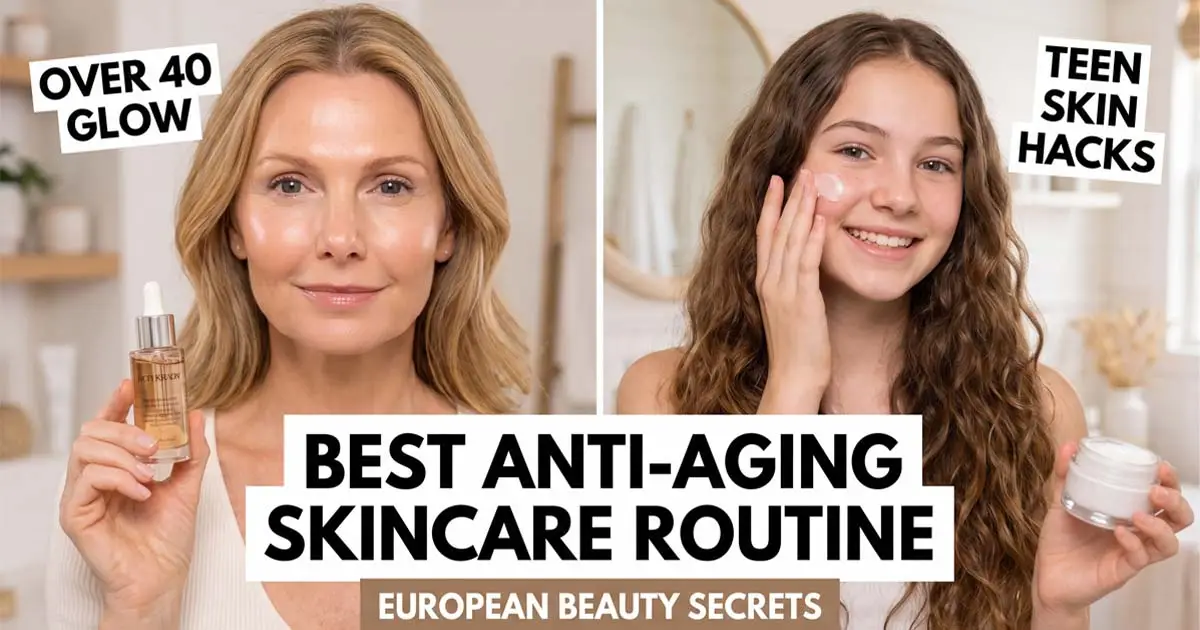
Figure 1: The right anti-aging skincare routine for women over 40 focuses on collagen preservation, barrier support, and consistent sun protection.
Turning 40 is a significant milestone. It is a time of confidence, wisdom, and self-awareness. It is also, for many women, the moment when the mirror begins to reflect the cumulative effects of time, sun exposure, and hormonal shifts. The skin undergoes profound changes in the fifth decade: collagen production declines by approximately 1% to 1.5% per year, estrogen levels fluctuate and then fall, and the skin barrier becomes more fragile and prone to dryness. Fine lines deepen, age spots emerge, and the skin loses the plump, luminous quality of youth. This is not a reason for despair. It is a call to action—a signal that your anti-aging skincare approach needs to evolve.
Searching for an effective anti-aging skincare routine can feel overwhelming. The beauty industry bombards women over 40 with conflicting advice, miracle promises, and products that cost more than a mortgage payment. Faced with shelves of serums, creams, and treatments, many women simply give up, convinced that aging is an inevitable process over which they have no control. That is a dangerous misconception. Dermatological science has advanced to the point where we now understand, in exquisite molecular detail, how the skin ages and what interventions can meaningfully slow, halt, or even partially reverse the visible signs of aging.
The key is not to chase every trendy ingredient or expensive product. It is to build a consistent, evidence-based anti-aging skincare routine that addresses the core drivers of skin aging: collagen loss, oxidative stress, barrier dysfunction, and cumulative UV damage. This means focusing on a handful of scientifically validated ingredients—retinol, vitamin C, sunscreen, hyaluronic acid, and niacinamide—and using them correctly and consistently. It means understanding that skincare is a marathon, not a sprint, and that consistency always trumps intensity.
At Glow With Nature, we believe that every woman deserves access to clear, honest, scientifically accurate information about her skin. This exhaustive, evidence-based masterclass outlines the definitive anti-aging skincare routine for women over 40, drawing on decades of dermatological research and clinical experience. We will walk you through each step, explain the science behind every recommendation, and provide a practical, actionable blueprint that you can start using today.
Understanding How Skin Ages After 40
To build an effective anti-aging skincare routine, you must first understand what is happening beneath the surface. Skin aging is a complex, multifactorial process driven by two distinct but interconnected mechanisms: intrinsic aging (the natural, genetically determined passage of time) and extrinsic aging (the cumulative damage caused by external factors, primarily ultraviolet radiation).
Intrinsic aging is characterized by a gradual decline in cellular function. Fibroblasts—the cells responsible for producing collagen and elastin—become less active. The dermis thins, and the skin loses its structural integrity. Elastin fibers fragment, leading to a loss of elasticity and the development of sagging. The stratum corneum, the outermost layer of the epidermis, becomes more permeable, allowing moisture to escape and irritants to penetrate. Sebum production declines, leading to dryness and a dull complexion. These changes are inevitable, but their pace and severity can be significantly influenced by lifestyle and skincare choices.
Extrinsic aging, also known as photoaging, is driven primarily by UV exposure. Ultraviolet radiation generates reactive oxygen species (ROS) that damage DNA, proteins, and lipids. It activates matrix metalloproteinases (MMPs), enzymes that degrade collagen and elastin. Photoaging is responsible for the majority of visible aging signs: deep wrinkles, leathery texture, hyperpigmentation, and telangiectasia (visible broken blood vessels). According to a landmark study in the New England Journal of Medicine, the difference between sun-protected and sun-exposed skin can be dramatic—a truck driver with decades of unilateral sun exposure showed profound asymmetric aging on the exposed side of his face.
Hormonal changes also play a critical role after 40. As women transition through perimenopause and into menopause, estrogen levels decline. Estrogen receptors are present in the skin, and estrogen plays a vital role in maintaining collagen content, skin thickness, and moisture. The drop in estrogen accelerates collagen loss, contributing to dryness, thinning, and accelerated wrinkling. This is why menopausal women often notice a rapid change in their skin that seems disproportionate to the number of years passing.
The Core Ingredients of an Effective Anti-Aging Routine
A truly effective anti-aging skincare routine for women over 40 is built on a foundation of evidence-based ingredients. While the market offers hundreds of options, only a handful have robust clinical data supporting their efficacy. Focus your resources on these proven actives.
Retinol: The Gold Standard for Cellular Renewal
Retinol is the most extensively studied and clinically validated over-the-counter ingredient for anti-aging skincare. As a precursor to retinoic acid, it binds to nuclear receptors in skin cells and regulates the expression of genes involved in cell proliferation, differentiation, and collagen synthesis. Regular use of retinol has been shown to reduce fine lines and wrinkles, improve skin texture, fade hyperpigmentation, and increase dermal collagen density.
A 2023 meta-analysis of 26 randomized controlled trials confirmed that topical retinoids significantly improve the clinical signs of photoaging. For women over 40, retinol is particularly valuable because it directly counteracts the collagen loss and cellular sluggishness that accelerate after menopause. Start with a low concentration (0.25% to 0.5%) and gradually increase frequency and strength as tolerated. Always apply at night, and always follow with moisturizer to mitigate dryness.
Vitamin C: The Antioxidant Protector
Vitamin C (L-ascorbic acid) is a potent antioxidant that neutralizes the free radicals generated by UV exposure and environmental pollutants. It is also a critical cofactor for collagen synthesis—without adequate vitamin C, fibroblasts cannot properly assemble collagen molecules. Additionally, vitamin C inhibits tyrosinase, the enzyme responsible for melanin production, making it effective for fading dark spots and evening skin tone.
Clinical studies have demonstrated that topical vitamin C at concentrations of 10% to 20% can reduce wrinkle depth, improve skin firmness, and protect against photoaging. For optimal efficacy, look for formulations containing L-ascorbic acid at a pH below 3.5, ideally combined with vitamin E and ferulic acid for enhanced stability and antioxidant synergy. Apply in the morning, before sunscreen.
Sunscreen: The Non-Negotiable Foundation
If there is one single product that every woman over 40 should use religiously, it is sunscreen. UV radiation is the primary driver of extrinsic skin aging, responsible for up to 80% of visible facial aging. No amount of retinol, vitamin C, or peptide serum can compensate for the daily damage caused by unprotected sun exposure.
The American Academy of Dermatology recommends using a broad-spectrum sunscreen with an SPF of 30 or higher every day, even on cloudy days, even in winter, even when you are mostly indoors. Reapply every two hours when outdoors. Modern formulations are elegant, lightweight, and available in tinted versions that double as makeup. Make sunscreen the absolute cornerstone of your anti-aging skincare routine.
Hyaluronic Acid: The Hydration Hero
Hyaluronic acid is a naturally occurring glycosaminoglycan that holds up to 1,000 times its weight in water. As we age, endogenous hyaluronic acid levels decline, contributing to dryness, loss of volume, and the appearance of fine lines. Topical hyaluronic acid is a powerful humectant, drawing moisture from the environment and deeper skin layers into the stratum corneum.
For women over 40, incorporating a hyaluronic acid serum into both morning and evening routines can significantly improve skin hydration, plumpness, and smoothness. Apply it to damp skin, then seal with a moisturizer to prevent transepidermal water loss. While hyaluronic acid does not directly stimulate collagen, its hydrating effects create a more favorable environment for other actives to work.
Niacinamide: The Multitasking Barrier Booster
Niacinamide (vitamin B3) is a versatile, well-tolerated ingredient that addresses multiple aspects of anti-aging skincare. It strengthens the skin barrier by increasing ceramide synthesis, reduces inflammation, regulates sebum production, and inhibits melanin transfer to skin cells. Clinical trials have shown that topical niacinamide at 4% to 5% concentrations can reduce fine lines, improve skin elasticity, and fade hyperpigmentation.
For women over 40, niacinamide is particularly valuable because it enhances barrier function, which becomes compromised with age. It also pairs well with other actives, including retinol and vitamin C, making it an excellent addition to any routine.
Peptides: The Collagen Signaling Molecules
Peptides are short chains of amino acids that act as signaling molecules. When applied topically, certain peptides—such as palmitoyl pentapeptide-4 (Matrixyl) and copper peptides—can stimulate fibroblasts to produce new collagen and elastin. While the evidence for peptides is less robust than for retinol, several randomized controlled trials have shown improvements in wrinkle depth and skin firmness with consistent use.
Peptides are generally well-tolerated and can be used alongside retinol, making them a valuable addition for women seeking comprehensive anti-aging skincare. Look for serums or moisturizers containing a blend of signal peptides, carrier peptides, and neurotransmitter-inhibiting peptides for maximum benefit.
THE IMPORTANCE OF THE SKIN BARRIER AFTER 40
As estrogen levels decline, the skin barrier becomes more permeable and less able to retain moisture. This can lead to dryness, sensitivity, and irritation—especially when using active ingredients like retinol. A compromised barrier also makes the skin more vulnerable to environmental damage. This is why a robust barrier-supportive routine is essential. Look for moisturizers containing ceramides, cholesterol, and fatty acids in a ratio that mimics the skin’s natural lipid composition. Avoid over-exfoliation and harsh cleansers. When in doubt, prioritize barrier health over aggressive anti-aging actives—a healthy barrier is the foundation upon which all other skincare benefits are built.
The Morning Anti-Aging Skincare Routine
Your morning routine should focus on protection and antioxidant defense. The goal is to shield your skin from the day’s environmental assaults—UV radiation, pollution, and oxidative stress—while providing lightweight hydration.
| Step | Key Benefit | How to Use |
|---|---|---|
| 1. Gentle Cleanser | Removes overnight buildup without stripping the barrier. | Use a creamy, sulfate-free cleanser. Rinse with lukewarm water. Pat dry—never rub. |
| 2. Vitamin C Serum | Antioxidant protection; collagen synthesis; brightening. | Apply 3–5 drops to clean, dry skin. Wait 1–2 minutes before next step. |
| 3. Hyaluronic Acid Serum | Deep hydration; plumps fine lines. | Apply to damp skin. Follow immediately with moisturizer to seal in moisture. |
| 4. Niacinamide or Peptide Serum | Barrier support; collagen signaling; pore refinement. | Apply a few drops after vitamin C. Can be layered with hyaluronic acid. |
| 5. Moisturizer | Locks in hydration; supports barrier function. | Choose a formula with ceramides and peptides. Apply generously. |
| 6. Sunscreen (SPF 30+) | Prevents UV damage—the #1 cause of visible aging. | Apply generously as the final step. Reapply every 2 hours outdoors. |
The Evening Anti-Aging Skincare Routine
Your evening routine is where repair and regeneration happen. This is when you introduce active ingredients like retinol, which can be photosensitizing and should only be used at night. The evening is also the time to double cleanse, removing sunscreen, makeup, and environmental pollutants thoroughly.
Step-by-Step Evening Protocol
Double Cleanse
Begin with an oil-based cleanser or cleansing balm to dissolve sunscreen and makeup. Follow with a gentle water-based cleanser to remove sweat, dirt, and remnants. This ensures a clean canvas for active ingredients.
Exfoliate (2–3 Times Per Week)
Use a gentle chemical exfoliant—lactic acid, mandelic acid, or a low-percentage glycolic acid—to remove dead skin cells and enhance penetration of subsequent products. Do not exfoliate on the same night you use retinol.
Retinol (Start Slow)
Apply a pea-sized amount of retinol to clean, completely dry skin. Begin with 2–3 nights per week, gradually increasing to nightly as tolerated. Avoid the eye area and the corners of the nose. Always follow with moisturizer.
Hyaluronic Acid or Peptide Serum
On nights when you are not using retinol, apply a hyaluronic acid or peptide serum to damp skin. These ingredients support hydration and collagen synthesis without irritation.
Rich Moisturizer or Night Cream
Seal in your actives with a rich, barrier-repairing moisturizer containing ceramides, squalane, or shea butter. This is especially important when using retinol, which can be drying.
Eye Cream (Optional)
The eye area is thin and prone to fine lines. Apply a dedicated eye cream containing peptides, caffeine, or gentle retinoids. Pat gently with your ring finger—never rub.
THE CONSISTENCY PRINCIPLE: WHY PATIENCE BEATS INTENSITY
One of the most common mistakes women make when building an anti-aging skincare routine is trying to do too much too soon. They layer multiple actives, exfoliate aggressively, and expect overnight results. This approach inevitably leads to irritation, barrier disruption, and abandonment of the routine. The truth is that skincare is a long game. Retinol takes 12 to 24 weeks to produce visible improvements in wrinkles. Vitamin C requires consistent daily use for at least 8 to 12 weeks to fade hyperpigmentation. Collagen remodeling is a slow, incremental process. The women who see the best results are not the ones who use the most products—they are the ones who use the right products consistently for months and years. Be patient. Be consistent. Trust the science.
Lifestyle Factors That Amplify Your Anti-Aging Routine
Skincare products can only do so much. The visible signs of aging are influenced by a complex interplay of genetics, hormones, and lifestyle. To maximize the results of your anti-aging skincare routine, you must address the foundational factors that affect skin health from the inside out.
Nutrition for Skin Health
A diet rich in antioxidants, healthy fats, and high-quality protein supports skin repair and collagen synthesis. Omega-3 fatty acids, found in fatty fish, walnuts, and flaxseeds, help maintain the skin’s lipid barrier and reduce inflammation. Vitamin C–rich fruits and vegetables provide the cofactor needed for collagen production. Adequate protein intake ensures a steady supply of amino acids for tissue repair. Conversely, excessive sugar and refined carbohydrates promote glycation—a process in which sugar molecules bind to collagen and elastin, making them stiff and brittle. Reducing sugar intake is one of the most impactful dietary changes for skin aging.
Sleep and Stress Management
Chronic stress elevates cortisol, which breaks down collagen and elastin and impairs barrier function. Poor sleep quality is associated with increased signs of skin aging, including fine lines, uneven pigmentation, and reduced skin elasticity. Prioritize 7 to 9 hours of quality sleep per night, and incorporate stress-reduction practices such as meditation, yoga, or deep breathing into your daily routine.
Avoiding Known Skin Aggressors
Smoking is one of the most potent accelerators of skin aging. It generates free radicals, constricts blood vessels, and degrades collagen and elastin. If you smoke, quitting is the single most effective thing you can do for your skin—and your overall health. Excessive alcohol consumption also dehydrates the skin and depletes essential nutrients. Moderation is key.
Frequently Asked Questions: Anti-Aging Skincare Routine
The best routine focuses on proven ingredients used consistently. In the morning: gentle cleanser, vitamin C serum, hyaluronic acid, moisturizer, and sunscreen. In the evening: double cleanse, retinol (starting 2–3 nights per week), moisturizer, and eye cream. Consistency over months and years is more important than using many products.
Most dermatologists recommend starting retinol in your late 20s to early 30s for prevention, but it is never too late to start. Women over 40 can benefit significantly from retinol because it directly stimulates collagen production and accelerates cell turnover, counteracting the accelerated collagen loss that occurs after menopause. Start with a low concentration and build tolerance slowly.
Yes. UV radiation is the primary cause of visible skin aging, responsible for up to 80% of facial aging signs. Sunscreen is the single most effective anti-aging product you can use. Apply a broad-spectrum SPF 30 or higher every morning, regardless of weather or indoor/outdoor activity. Reapply every two hours when outdoors.
It is generally best to use them at different times of day. Apply vitamin C in the morning for antioxidant protection against daytime environmental stress. Apply retinol at night for repair and regeneration. Using both in the same routine is possible but may increase irritation, especially for sensitive skin. Separating them by time of day is the safest and most effective approach.
Initial improvements in hydration and skin texture may be visible within 2 to 4 weeks. Visible reductions in fine lines and wrinkles from retinol typically take 12 to 24 weeks of consistent use. Fading of hyperpigmentation from vitamin C may take 8 to 12 weeks. Collagen remodeling is a slow process—full benefits emerge over 6 to 12 months. Patience and consistency are essential.
Conclusion: Aging Gracefully with Science-Backed Skincare
The best anti-aging skincare routine for women over 40 is not the most expensive one, nor the most complicated one. It is the one you will actually follow consistently. It is built on a foundation of evidence-based ingredients—retinol, vitamin C, sunscreen, hyaluronic acid, niacinamide, and peptides—used in the right order, at the right frequency, and with realistic expectations.
Aging is not a disease to be cured. It is a natural, beautiful process. But that does not mean we cannot influence how we age. By making informed choices about our skincare, our nutrition, our sleep, and our stress levels, we can support our skin’s health and resilience for decades to come. We can age with confidence, with radiance, and with the knowledge that we are doing everything in our power to care for the skin we are in.
Start today. Build your routine one step at a time. Be patient. Be consistent. And remember that the goal is not to look 20 again—it is to look like the healthiest, most vibrant version of yourself at every age.