Collagen vs Retinol: Which Works Better for Anti-Aging?
The Ultimate Skincare Showdown | Published by glowwithnature.com
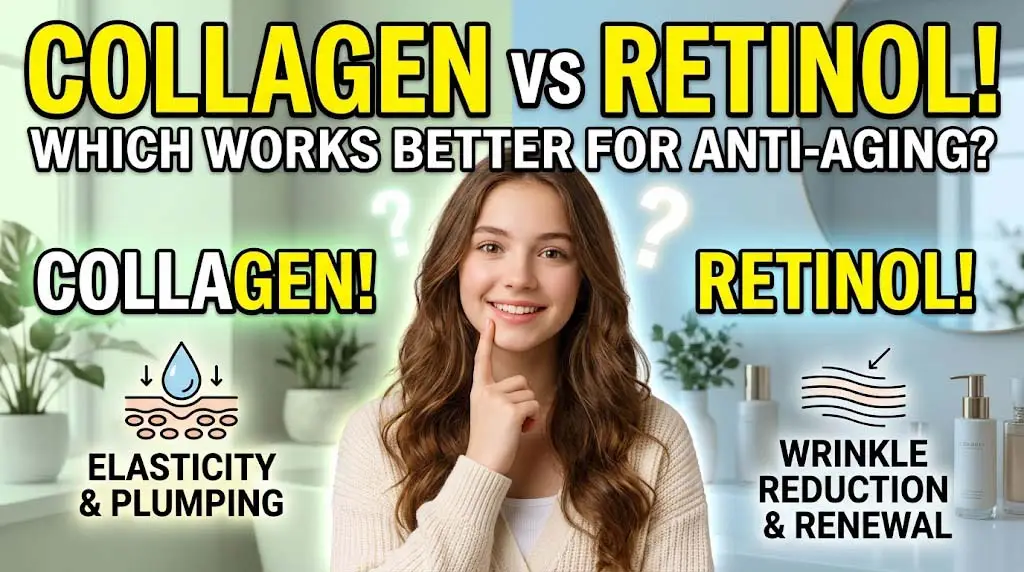
Figure 1: The collagen vs retinol debate dominates the anti-aging skincare conversation. Understanding the science behind each ingredient is key to making the right choice for your skin.
In the vast and often overwhelming world of skincare, few debates generate as much passionate discussion as the question of which anti-aging ingredient reigns supreme. On one side stands collagen, the structural protein that forms the very scaffolding of our skin. On the other, we have retinol, the gold-standard vitamin A derivative revered by dermatologists for its powerful cell-communicating and turnover-accelerating properties. If you have ever stood in the skincare aisle, scanning the shelves of serums, creams, and supplements, you have likely felt the confusion: should you invest in a collagen-boosting product or a retinol-based treatment? Which one will truly deliver the plump, radiant, youthful complexion you are seeking?
The search for effective anti-aging skincare is deeply personal. It is driven by a desire to maintain not just appearance, but also the confidence and vitality that come with healthy, resilient skin. The beauty industry, however, thrives on complexity, bombarding consumers with conflicting marketing claims and pseudo-scientific jargon that makes informed decision-making nearly impossible. This article is designed to cut through the noise, providing you with a rigorous, evidence-based analysis of these two skincare titans.
Collagen and retinol are not interchangeable; they operate through fundamentally different biological mechanisms. Collagen is the building block—a massive structural protein that provides firmness, elasticity, and volume to the skin. As we age, our bodies naturally produce less collagen, leading to the formation of fine lines, wrinkles, and sagging. Retinol, on the other hand, is a potent cellular communicator. It does not directly add collagen to the skin; rather, it binds to specific receptors on skin cells, instructing them to behave more youthfully. It accelerates cell turnover, stimulates the production of new collagen and elastin, and regulates pigmentation.
Understanding this fundamental distinction is the first step toward crafting an effective anti-aging strategy. This exhaustive, clinical masterclass will dissect the science of both ingredients, delineate their unique benefits and limitations, and provide a definitive, functional blueprint for integrating them into your skincare routine. By the end, you will have the knowledge to make a confident, personalized decision that aligns with your skin type, goals, and lifestyle.
Understanding Collagen: The Structural Foundation of Youthful Skin
Collagen is the most abundant protein in the human body, comprising approximately 75% to 80% of the skin’s dry weight. It functions as the extracellular matrix, a three-dimensional scaffolding that holds everything together. Think of collagen as the springs and frame of a mattress; without it, the structure collapses, leading to sagging, creases, and a loss of firmness. There are at least 28 different types of collagen, but Type I, Type II, and Type III are the most relevant to skin health.
Our bodies produce collagen naturally through a complex biosynthetic pathway that requires a steady supply of amino acids—glycine, proline, and hydroxyproline—alongside essential co-factors like vitamin C, zinc, and copper. However, this endogenous production begins to decline significantly as we age. Starting in our mid-20s, collagen synthesis decreases by approximately 1% to 1.5% per year. By age 60, the skin contains about half the collagen it did in our youth. This progressive depletion manifests as fine lines, deeper wrinkles, loss of volume, and decreased elasticity.
Furthermore, external factors can accelerate collagen degradation. Ultraviolet (UV) radiation from the sun is the most potent driver of collagen breakdown, generating reactive oxygen species (ROS) that activate matrix metalloproteinases (MMPs), enzymes that literally chew up the collagen matrix. Smoking, poor nutrition, and chronic stress also contribute to the accelerated destruction of this critical structural protein.
How Collagen Supplements Work
Over the past decade, the market has been flooded with collagen supplements—powders, liquids, and capsules—that promise to restore youthful skin from the inside out. The scientific literature on this topic has grown substantially. A 2023 systematic review and meta-analysis published in the Journal of Cosmetic Dermatology examined data from over 1,100 participants across 26 randomized controlled trials. The authors concluded that oral collagen supplementation significantly improved skin elasticity, hydration, and dermal collagen density compared to placebo. However, the effect sizes were modest, and the bioavailability of collagen peptides remains a topic of ongoing investigation.
When you ingest hydrolyzed collagen peptides, they are broken down into smaller peptides and free amino acids in the digestive tract. These are then absorbed into the bloodstream and distributed to various tissues, including the skin. Some research suggests that these peptides act as signaling molecules, providing feedback to the body that collagen is being broken down, thereby stimulating fibroblasts—the cells responsible for producing new collagen—to ramp up their activity. This process, known as “matrix activation,” is the proposed mechanism for collagen supplementation.
Critically, collagen supplements are not a quick fix. They require consistent, long-term use to achieve visible results. Most clinical studies that demonstrated benefits used daily doses of 2.5 to 15 grams of collagen peptides for at least 8 to 12 weeks. When used as part of a comprehensive skincare regimen, including sun protection and a healthy diet, collagen supplements can be a valuable tool for mitigating age-related collagen loss.
Understanding Retinol: The Cellular Regenerator
If collagen is the structural foundation, retinol is the master architect overseeing the renovation. Retinol is a member of the retinoid family, derivatives of vitamin A that have been used in dermatology for decades to treat a wide range of conditions, from acne to photoaging. Unlike collagen, which is a single protein, retinol works at the cellular level, literally altering how skin cells behave.
Retinol is a precursor to retinoic acid, the active form of vitamin A that binds to specific nuclear receptors within skin cells. These receptors, known as retinoic acid receptors (RARs) and retinoid X receptors (RXRs), regulate the expression of hundreds of genes involved in cell proliferation, differentiation, and apoptosis (programmed cell death). When retinol is applied topically, it is converted to retinaldehyde and then to retinoic acid, which then initiates a cascade of anti-aging effects.
The Anti-Aging Benefits of Retinol
The retinol benefits are extensive and well-supported by over four decades of clinical research. First, retinol accelerates the rate of epidermal cell turnover. This means that the skin sheds dead, dull cells from the surface more rapidly and replaces them with younger, healthier cells. This process alone leads to a brighter, more even skin tone, reduced hyperpigmentation, and a smoother texture.
Second, and perhaps most importantly for anti-aging skincare, retinol directly stimulates the production of new collagen and elastin in the dermis. As we age, fibroblasts—the cells responsible for producing collagen—become quiescent. Retinoic acid signals these fibroblasts to resume collagen synthesis, effectively reversing some of the age-related decline in dermal density. This results in the visible reduction of fine lines and wrinkles, as the skin becomes thicker, more resilient, and more voluminous over time.
Third, retinol possesses remarkable pigment-regulating properties. It inhibits the activity of tyrosinase, the enzyme responsible for melanin production, and promotes the shedding of melanin-laden keratinocytes from the skin’s surface. This dual action makes retinol an effective treatment for sun spots, melasma, and general hyperpigmentation, leading to a more uniform complexion.
Finally, retinol provides a degree of photoprotection. While it is not a sunscreen, regular use of retinol has been shown to reduce the skin’s susceptibility to UV-induced damage by thickening the epidermis and enhancing the skin’s natural repair mechanisms. This is why retinoids are often prescribed in conjunction with sunscreen as a comprehensive anti-aging strategy.

Figure 2: Collagen provides structural support, while retinol accelerates cell turnover and stimulates new collagen production. Understanding their distinct mechanisms is essential for building an effective routine.
WHICH ONE IS RIGHT FOR YOU?
The answer depends on your skin type, concerns, and tolerance. Retinol is a powerful, active ingredient that can cause irritation, dryness, and peeling during the initial adjustment period. It is not suitable for everyone, particularly those with sensitive skin or inflammatory conditions like eczema and rosacea. Collagen supplements and topical collagen peptides are generally well-tolerated and can be safely used by almost anyone, but they yield more subtle, gradual results. Many dermatologists now recommend a hybrid approach: using retinol as the cornerstone of an anti-aging routine while supporting the skin’s structural integrity with a collagen-boosting diet and strategic supplementation.
Collagen vs Retinol: A Head-to-Head Comparison
Now that we have established the unique mechanisms of collagen and retinol, it is time to pit them against each other in a direct comparison. The table below summarizes the key differences across multiple parameters, enabling you to make an informed decision tailored to your specific needs.
| Feature | Collagen | Retinol |
|---|---|---|
| Primary Mechanism | Provides building blocks and signals for new collagen production; improves skin structure. | Accelerates cell turnover; stimulates fibroblast activity; regulates pigmentation. |
| Key Benefits | Improved skin elasticity, hydration, and firmness; reduced joint pain and improved hair/nail health. | Reduction of fine lines, wrinkles, and hyperpigmentation; improved skin texture and luminosity. |
| Onset of Results | Subtle improvements visible within 8–12 weeks; full benefits take 6–12 months. | Visible changes often appear within 4–6 weeks; optimal results require 6–12 months. |
| Common Side Effects | Generally well-tolerated; mild digestive discomfort possible with supplements. | Initial dryness, redness, peeling, and sensitivity; “retinol uglies” phase is common. |
| Best For | All skin types; those seeking overall skin health and structural support. | Mature skin, sun-damaged skin, hyperpigmentation, and fine lines; not for highly sensitive skin. |
The Synergy Strategy: Can You Use Both?
One of the most common questions we hear is: “Do I have to choose between collagen and retinol?” The short answer is no. In fact, combining these two ingredients is arguably the most powerful approach to anti-aging skincare. They are not antagonists; they are partners. Collagen provides the raw materials for a healthy skin structure, while retinol ensures that the skin cells are actively rebuilding and repairing themselves.
Think of it this way: retinol clears the debris, stimulates the fibroblasts, and creates an environment conducive to new collagen synthesis. Collagen supplements then provide the amino acid building blocks necessary for those fibroblasts to actually construct new, high-quality collagen fibers. When used together, retinol and collagen create a positive feedback loop that accelerates skin rejuvenation beyond what either ingredient could achieve alone.
Clinical evidence supports this synergistic approach. A 2022 study published in the Journal of Drugs in Dermatology examined the combined effect of a topical retinoid and oral collagen peptides. Over 16 weeks, participants who used both treatments experienced significantly greater improvements in wrinkle depth, skin elasticity, and overall photoaging scores compared to those who used either treatment alone. This suggests that the combination of topical retinol and systemic collagen supplementation is a highly effective strategy for comprehensive anti-aging.
However, there are practical considerations. Combining retinol with other active ingredients can amplify irritation. It is crucial to introduce retinol slowly and to use a robust moisturizing routine to support the skin barrier. Collagen supplements are generally safe to use alongside retinol, but if you have a sensitive digestive system, you may want to start with a lower dose and gradually increase it.

Figure 3: A synergistic approach that combines retinol’s cellular renewal with collagen’s structural support can deliver superior anti-aging results.
BUILDING YOUR ANTI-AGING REGIMEN
Creating a personalized anti-aging routine does not have to be complicated. Start with a gentle cleanser, a retinol serum (used 2–3 times per week initially), and a robust moisturizer. If you are taking a collagen supplement, consistency is key—take it daily. Always, always apply a broad-spectrum sunscreen with SPF 30 or higher during the day, as retinoids increase photosensitivity. With patience and consistency, this combination can transform your skin over time.
How to Integrate Collagen and Retinol into Your Routine
Building a routine that maximizes the benefits of both collagen and retinol requires careful planning and patience. The steps below provide a practical, science-backed protocol for integrating these ingredients into your daily regimen.
Start Slow with Retinol
Begin by applying a low-concentration retinol serum (0.25% to 0.5%) once or twice a week at night. Cleanse your face, wait 20 minutes for your skin to dry completely, and apply a pea-sized amount. Follow with a moisturizer. Gradually increase frequency to every other night, then nightly, as your skin builds tolerance. This “retinization” phase typically lasts 4 to 6 weeks.
Choose a High-Quality Collagen Supplement
Select a hydrolyzed collagen peptide supplement that has been clinically studied. Look for at least 2.5 grams of collagen per serving, and check that it includes vitamin C, which is a crucial cofactor for collagen synthesis. For optimal absorption, take it on an empty stomach or with a meal containing vitamin C. Consistency is more important than timing.
Layer Topical Collagen Peptides (Optional)
Incorporate a serum or moisturizer containing hydrolyzed collagen peptides into your morning routine. While these molecules are too large to penetrate deeply into the dermis, they can act as humectants, drawing moisture to the skin’s surface and providing a temporary plumping effect. This complements the deeper structural work of retinol.
Protect with Sunscreen and Support the Skin Barrier
Never skip sunscreen. Retinol makes your skin more vulnerable to UV damage, so apply a broad-spectrum SPF 30 or higher every morning. Also, support your skin barrier with moisturizers containing ceramides, niacinamide, or hyaluronic acid. This helps mitigate retinol-induced dryness and irritation.
Frequently Asked Questions: Collagen vs Retinol
Absolutely. In fact, using retinol and collagen together is a highly effective strategy. Retinol stimulates the skin to produce new collagen, while collagen supplements provide the necessary building blocks. This synergistic combination can significantly accelerate anti-aging benefits compared to using either ingredient alone.
Yes. One of the primary mechanisms of retinol is to stimulate fibroblasts—the cells that produce collagen—to ramp up their activity. Regular use of retinol has been shown to increase dermal collagen density, improve skin elasticity, and reduce the appearance of fine lines and wrinkles.
Both are effective, but they work differently. Retinol is more directly and rapidly effective at reducing visible fine lines and wrinkles by stimulating cellular turnover and new collagen production. Collagen supplements support the skin’s structure over the long term, leading to improved firmness and elasticity. For the best results, consider using both.
No. Collagen and retinol have distinct mechanisms of action. Collagen provides structural support, while retinol acts as a cellular regulator. Replacing retinol with collagen would mean losing the potent cell-communicating benefits that retinol offers, including the acceleration of skin turnover and pigmentation regulation.
Results from retinol can often be seen within 4–6 weeks, with continued improvements over 3–6 months. Collagen supplements typically require 8–12 weeks of consistent daily use to produce noticeable improvements in skin elasticity and hydration. Maximum benefits from both require at least 6–12 months of consistent use.
Conclusion: Building Your Personalized Anti-Aging Strategy
The collagen vs retinol debate does not have a single winner. Both ingredients are powerful in their own right, and the optimal choice depends on your unique skin type, concerns, and tolerance. Rather than viewing them as competitors, it is more productive to see them as complementary allies in the pursuit of healthy, radiant, youthful skin.
If you are new to anti-aging skincare and are unsure where to start, consider a stepped approach: begin with a gentle retinol product used a few nights per week, and simultaneously start a daily collagen supplement. Over time, you can increase the frequency and concentration of retinol as your skin adapts. The combination of internal support from collagen and external renewal from retinol is likely to deliver superior results to either approach alone.
Ultimately, the most important factors in any anti-aging journey are consistency, patience, and sun protection. No skincare ingredient can compensate for the daily damage caused by unprotected UV exposure. By building a consistent routine that includes retinol, collagen, and daily sunscreen, you are investing in the long-term health and resilience of your skin.
Empower yourself with knowledge, listen to your skin, and consult with a dermatologist if you have specific concerns or conditions. The power to age gracefully and vibrantly is truly in your hands.