
Taylor Farms Cyclospora Lettuce Outbreak 2026: Taco Bell, Chipotle & The Iceberg Lettuce Parasite Alert
The 2026 Taylor Farms cyclospora outbreak has been traced to bagged iceberg and romaine lettuce distributed to fast‑food chains nationwide. Source: CDC Foodborne Disease Outbreak Surveillance System & FDA traceback data.
Cyclospora Parasite Outbreak Taco Bell & Chipotle | Taylor Farms Salads & Iceberg Lettuce Contamination | Published by glowwithnature.com
Sarah didn’t think twice about grabbing a quick Crunchwrap Supreme from her local Taco Bell drive‑thru. It was a chaotic Tuesday, and the crisp iceberg lettuce inside that familiar folded tortilla felt like the one fresh, crunchy element in an otherwise indulgent meal. Three days later, she was doubled over with stomach cramps so violent she couldn’t stand upright, rushing to the bathroom with cyclospora parasite outbreak symptoms she’d never experienced before. The explosive, watery diarrhea wouldn’t stop. The fatigue was bone‑deep. She’d later learn that she was one of hundreds across multiple states caught in a widening Taylor Farms cyclospora outbreak—a contamination crisis traced directly back to the massive Salinas Valley lettuce processor whose bags of chopped romaine and iceberg supply thousands of restaurants, including Taco Bell and Chipotle.
The 2026 taylor farms lettuce cyclospora investigation is not the first time this company’s name has appeared in foodborne illness headlines, but the scope and speed of this outbreak are forcing public health officials to sound alarms louder than ever before. When you bite into a taco or a burrito bowl, you trust that the shredded lettuce on top has been grown, harvested, washed, and packaged under conditions that render it biologically safe. That trust is now fractured. Laboratory‑confirmed cases of cyclosporiasis have surged in clusters that epidemiologists at the CDC and state health departments have definitively linked to taylor farms salads and bagged lettuce products shipped to quick‑service restaurant chains across the country. For consumers who assumed that a major fast‑food brand’s supply chain was bulletproof, this outbreak is a harsh wake‑up call—and it demands immediate, practical action.
At Glow With Nature, we are committed to helping you navigate the complex intersection of food safety, personal health, and supply‑chain transparency. In this guide, you’ll discover exactly how the cyclospora parasite contaminated taco bell lettuce, which specific iceberg lettuce cyclospora risks you need to know about, a detailed list of taylor farms lettuce products to avoid, and a step‑by‑step kitchen protocol to protect your household. We’ll also break down what we know about chipotle cyclospora exposure, decode the symptoms that distinguish this parasite from a standard stomach bug, and give you the clinical knowledge to advocate for yourself at the doctor’s office. Your health sovereignty starts with information—and this is the information that could keep you out of the ER.
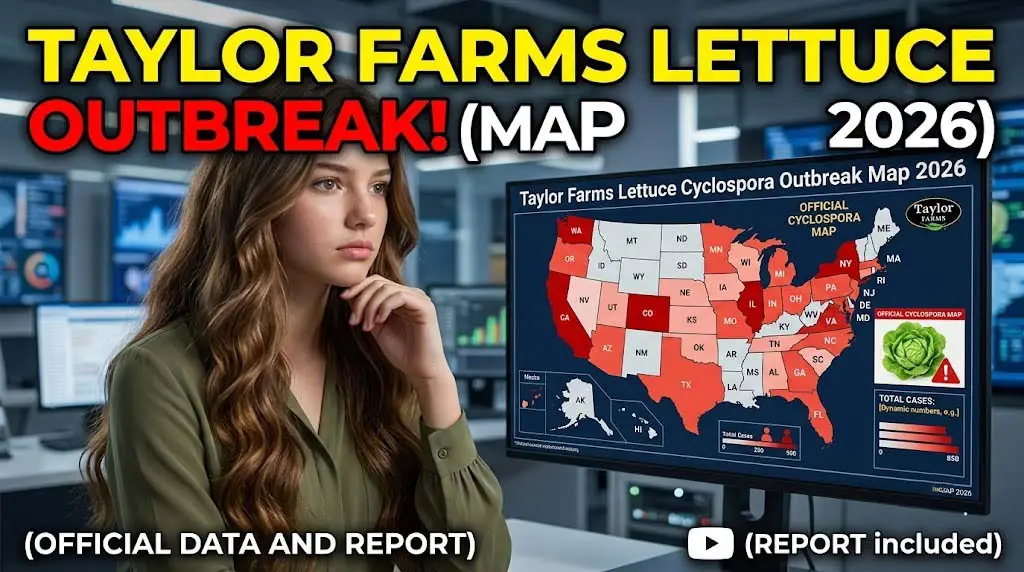
The 2026 Taylor Farms cyclospora outbreak has been traced to bagged iceberg and romaine lettuce distributed to fast‑food chains nationwide. Source: CDC Foodborne Disease Outbreak Surveillance System & FDA traceback data.
Why Taylor Farms? Understanding the Colossus Behind Your Lettuce
To grasp why a single taylor farms contamination event can trigger illness in a dozen states simultaneously, you need to understand the scale of this operation. Taylor Farms is not a quaint family farm; it is one of the largest fresh‑cut produce processors in North America, supplying bagged salads, chopped lettuces, and vegetable blends to grocery chains, schools, hospitals, and—most critically for this outbreak—major fast‑food chains including Taco Bell and Chipotle. When a batch of iceberg lettuce from a single processing run becomes contaminated, it doesn’t sicken a few people at a single restaurant. It fans out across the distribution network, landing in tacos, burrito bowls, and salad menus in cities hundreds of miles apart.
The company’s Salinas Valley facility, a central hub for bagged taylor farms salads, has been under intense FDA scrutiny since the outbreak was declared. Federal investigators have focused on irrigation water sources that may have been contaminated with Cyclospora cayetanensis oocysts—the microscopic, protozoan parasite that causes cyclosporiasis. Unlike bacteria that can be killed with a quick chlorine rinse, Cyclospora oocysts are notoriously resistant to standard sanitizers. They adhere tightly to the rough, veined surfaces of lettuce leaves, and because taylor farms lettuce is often shipped pre‑washed and ready‑to‑use, restaurants rarely rewash it—meaning the parasite travels directly from the processing plant to your plate. A 2024 review in the Journal of Food Protection found that Cyclospora oocysts can survive for weeks on refrigerated produce, making traceback investigations extremely challenging. (Journal of Food Protection: Cyclospora Produce Survival)
The current taylor farms cyclospora outbreak is not without precedent. In 2018, a massive cyclosporiasis outbreak sickened over 500 people across 15 states and was ultimately traced to McDonald’s salads sourced from a Taylor Farms facility in Illinois. The 2026 outbreak has already surpassed those numbers, with a critical difference: the contamination has been linked to the iceberg lettuce and romaine blends used specifically in fast‑food menu items—the kind of lettuce you don’t think twice about when you order a taco or a burrito bowl. This investigation has become one of the most complex foodborne illness probes in recent history, involving multiple state health departments, the CDC, and the FDA. (CDC Cyclosporiasis Outbreak Updates)
The Chain Reaction: Taco Bell, Chipotle, and the Contaminated Lettuce Trail
When public health investigators began interviewing patients who had tested positive for Cyclospora, a pattern emerged with startling clarity: a disproportionate number of those sickened reported eating at Taco Bell in the two weeks before their symptoms began. Specifically, they described consuming menu items containing shredded iceberg lettuce—tacos, Crunchwraps, and burrito bowls across multiple states. Simultaneously, a smaller but significant cluster of chipotle cyclospora cases surfaced among customers who had eaten burrito bowls with the chain’s signature romaine‑iceberg blend. The FDA’s traceback investigation soon zeroed in on common supplier lots from taylor farms lettuce shipped during a two‑week window in late spring 2026.
The taco bell cyclospora link was the epidemiological smoking gun. In Michigan, health department interviews revealed that 78% of early confirmed cyclosporiasis cases had eaten at Taco Bell within the incubation period. Oklahoma and Louisiana reported similar patterns, though in Louisiana the cases were more evenly split between Taco Bell and Chipotle exposures. The cyclospora parasite outbreak taco bell connection triggered an immediate, behind‑the‑scenes supply‑chain review, and both restaurant chains voluntarily suspended use of shredded lettuce sourced from the implicated Taylor Farms facility while the investigation continued. (FDA Foodborne Outbreak Investigations)
What makes this outbreak particularly insidious is the very nature of fast‑food lettuce. The shredded iceberg lettuce served at Taco Bell arrives at the restaurant pre‑bagged, pre‑washed, and ready to portion into menu items. Restaurant employees do not typically wash it again; the bag is opened, and the lettuce is scooped directly onto your taco. If that bag came from a contaminated Taylor Farms batch, there is effectively no kill step between the processing plant and your digestive system. And because Cyclospora oocysts are not killed by routine refrigeration or mild sanitizers, the cold chain that keeps the lettuce crisp also preserves the parasite’s viability. A CDC‑funded study estimated that for every laboratory‑confirmed cyclosporiasis case, approximately 38 go undiagnosed due to the parasite’s intermittent shedding and the need for specialized testing—meaning the true scale of this outbreak is likely far larger than official numbers suggest. (CDC Cyclosporiasis Clinical Information)
CRITICAL HEALTH ADVISORY: High‑Risk Groups Who Must Take Immediate Precautions
Cyclospora infection is not a trivial bout of diarrhea that passes in a day or two. For certain populations, iceberg lettuce cyclospora exposure can trigger severe, protracted illness that requires hospitalization. Immunocompromised individuals—including those living with HIV, taking biologic immunosuppressants for autoimmune disease, or undergoing chemotherapy—are at extreme risk for persistent, treatment‑refractory cyclosporiasis that can lead to malnutrition and wasting. Young children and the elderly are highly susceptible to dangerous dehydration from the profuse watery diarrhea that defines this infection. Pregnant individuals face the dual burden of managing a parasitic illness while protecting fetal well‑being. If you fall into any of these categories and have eaten at Taco Bell, Chipotle, or any establishment using shredded lettuce within the past two weeks—especially in states identified in the outbreak—monitor yourself vigilantly for the symptoms described below, and do not hesitate to seek medical care with explicit Cyclospora testing. Do not assume it’s “just a bug.”
Know the Warning Signs: Cyclospora Symptoms That Demand Medical Attention
If you’ve consumed taco bell lettuce or any salad containing shredded iceberg lettuce in the past two weeks, you need to recognize the clinical hallmarks of cyclosporiasis. This is not a typical 24‑hour stomach virus. The symptoms are distinctive, often severe, and they follow a timeline that can help your doctor make the correct diagnosis.
- Explosive, Watery Diarrhea That Won’t Quit: The defining feature of a cyclospora parasite outbreak taco bell infection is the sudden onset of copious, projectile, watery stools. Patients report 5–15 bowel movements per day, often so urgent that they cannot reach a bathroom in time. The stool is classically non‑bloody, green‑tinged, and exceptionally foul‑smelling—a clue that differentiates it from bacterial dysentery.
- Relentless Upper Abdominal Cramping and Bloating: Cyclospora colonizes the small intestine, causing intense, cramping pain in the upper abdomen that can mimic gallbladder disease or pancreatitis. Severe bloating and distension are common; patients often describe looking “several months pregnant” during acute episodes.
- Profound Fatigue and Anorexia: This is not tiredness that a good night’s sleep fixes. The fatigue associated with cyclosporiasis is incapacitating, often lingering for weeks even after diarrhea begins to resolve. Appetite loss and significant weight loss—5 to 15 pounds over the course of illness—are frequently reported.
- Low‑Grade Fever, Body Aches, and Malaise: Systemic symptoms including a persistent low‑grade fever (99°F–101°F), diffuse muscle aches, and a general sense of being profoundly unwell accompany the gastrointestinal symptoms.
- Waxing and Waning Course: Perhaps the most frustrating feature is the illness’s fluctuating pattern. Symptoms can temporarily improve for a day or two, creating false hope, only to return with full intensity. This relapsing presentation is characteristic of Cyclospora and reflects the parasite’s life cycle. Without targeted antibiotic treatment (typically trimethoprim‑sulfamethoxazole), the illness can persist for six weeks or longer.
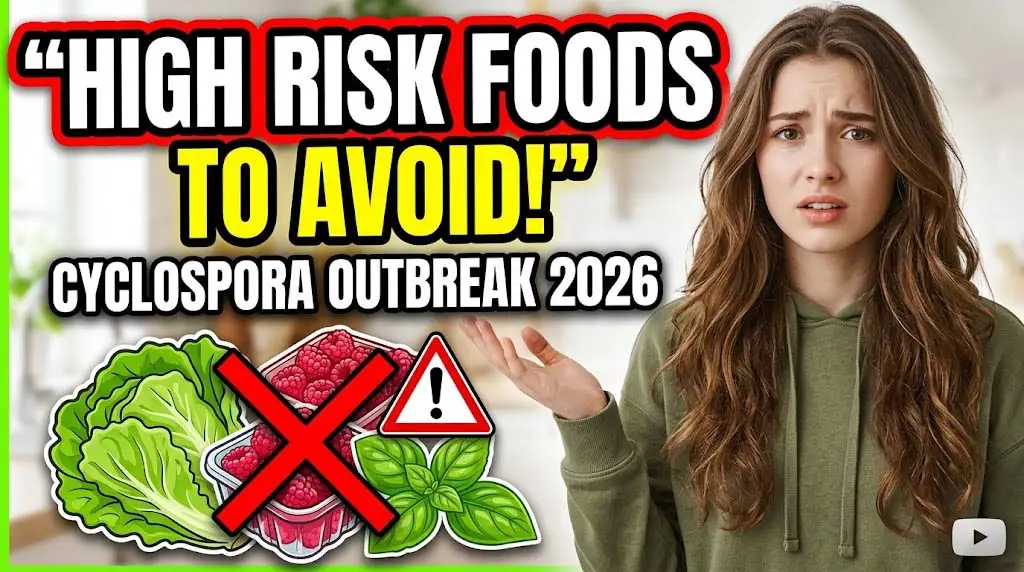
During the active Taylor Farms outbreak, consumers should avoid bagged iceberg and romaine lettuce products, shredded lettuce from fast-food chains, and pre-cut salad mixes unless cooked. Source: FDA & CDC outbreak guidance.
What Not to Eat: The Taylor Farms Products and Menu Items to Sidestep
Until the FDA and CDC declare this outbreak fully resolved, you must adopt a defensive eating posture—especially if you live in a state with confirmed cases. The following categories represent the highest risk based on current traceback data.
- Any Bagged Taylor Farms Salads or Lettuce Blends: Check your refrigerator now. If you have any bagged salad mix, chopped romaine, or iceberg lettuce with the Taylor Farms label—or any store‑brand bagged lettuce that could be sourced from Taylor Farms—discard it immediately. Do not attempt to “wash off” the parasite; Cyclospora oocysts are not reliably removed by home washing.
- Taco Bell Menu Items with Shredded Lettuce: While both Taco Bell and Chipotle have taken steps to secure alternative lettuce suppliers, the distribution of potentially contaminated product took weeks to track. If you are in an outbreak state, consider avoiding any fast‑food item containing uncooked shredded lettuce until the all‑clear is given. Cooked vegetable toppings are safe.
- Pre‑Cut or Pre‑Packaged Iceberg and Romaine from Grocery Stores: Even if not branded Taylor Farms, many store‑brand bagged lettuces are packed by the same large processors. During an outbreak with an unidentified specific lot, the safest course is to avoid all pre‑cut, bagged lettuces and salad mixes.
- Salad Bars and Restaurant Salads Using Shredded Lettuce: The supply chain for bulk shredded lettuce used in salad bars frequently overlaps with the fast‑food supply chain. Until the outbreak source is fully contained, choose cooked vegetable dishes when dining out.
Safe Alternatives: How to Keep Greens in Your Diet Without the Risk
Avoiding bagged lettuce does not mean abandoning vegetables entirely. Whole heads of lettuce—whether iceberg, romaine, or butter lettuce—are significantly safer because you can remove and discard the outer leaves and then thoroughly wash and dry the inner leaves yourself. Better yet, cook your greens: sautéed spinach, steamed kale, grilled romaine hearts (yes, you can grill romaine), and roasted broccoli are all delicious, nutrient‑dense, and completely free of viable Cyclospora oocysts. Frozen vegetables that you cook before eating are also safe. This outbreak is a temporary supply‑chain failure, not a permanent indictment of fresh produce. Adapt your preparation methods, and you can continue to nourish your body without fear.
The Glow With Nature Kitchen Protocol: Protecting Your Home from Cyclospora Contamination
In the midst of an active taylor farms cyclospora outbreak, your kitchen hygiene routine needs to be more than just wiping down counters. The following four‑step protocol is aligned with CDC and FDA guidance, specifically designed to minimize the risk of cross‑contamination from any produce that may have entered your home before the outbreak was announced.
Step 1: Audit and Discard Suspect Produce
Remove every bagged lettuce, salad kit, and pre‑cut vegetable product from your refrigerator. Check labels for Taylor Farms or any “packed by” information that references Salinas Valley processing. If you’re unsure, err on the side of caution—discard it. Seal the products in a plastic bag before placing them in the trash to prevent pets or wildlife from accessing them, as Cyclospora oocysts can remain viable in the environment. Do not compost outbreak‑implicated produce unless you are operating a commercial‑grade hot composting system that consistently reaches temperatures above 160°F.
Step 2: Rigorous Surface Sanitization
Cyclospora oocysts are incredibly durable on surfaces. After discarding suspect produce, sanitize every shelf, drawer, and surface that the products may have touched. Use a solution of 1 tablespoon of unscented liquid chlorine bleach per gallon of water. Apply the solution, let it sit for at least two minutes, then wipe dry with a disposable paper towel. Pay special attention to refrigerator vegetable crispers, cutting boards, and sink areas. Do not use the same sponge or cloth for other cleaning tasks, as this can spread any residual oocysts. (CDC Food Safety at Home)
Step 3: Adopt a Cook‑First Produce Strategy
For the duration of this outbreak, treat all raw vegetables that cannot be peeled as “cook only” items. Steam, sauté, roast, or grill your greens until they reach an internal temperature of 160°F—the kill threshold for Cyclospora oocysts. This applies especially to iceberg lettuce if you cannot verify its source. While cooked lettuce may sound unusual, grilled romaine salads and wilted spinach are culinary staples for good reason. The heat destroys the parasite instantly, eliminating all risk.
Step 4: Uncompromising Hand Hygiene and Restroom Vigilance
Cyclospora oocysts passed in the stool of an infected person are not immediately infectious—they require days to sporulate outside the body—but meticulous hand hygiene prevents any other enteric co‑infections and reduces the extremely low theoretical risk of direct exposure. Wash hands with soap and warm water for at least 20 seconds after using the bathroom, before preparing food, and after handling any produce packaging. Dry hands with a disposable paper towel during the acute illness period of any household member. Alcohol‑based hand sanitizers are less effective against protozoan parasites and should never replace thorough hand washing.
The 2026 Taylor Farms Cyclospora Risk & Safety Decision Matrix
Use this quick‑reference guide to make informed decisions about food consumption and symptom monitoring as the outbreak investigation continues.
| Food / Scenario | Risk Level & Details | Recommended Action |
|---|---|---|
| Bagged Taylor Farms salads (any variety) | Very High. Directly implicated in outbreak; oocysts survive refrigeration and routine washing. | Discard immediately. Do not attempt to wash or consume. Seal in plastic before trash disposal. |
| Taco Bell shredded lettuce (tacos, burritos) | High. Epi-linked to multiple state clusters. Supply chain traced to Taylor Farms facility. | Avoid until outbreak declared over. Request lettuce‑free menu items or cook at home. |
| Chipotle lettuce (burrito bowls, salads) | Moderate‑High. Smaller but confirmed case cluster. Overlapping supplier. | Avoid raw lettuce toppings. Opt for cooked vegetable toppings only. |
| Whole head iceberg or romaine (wash and peel) | Low‑Moderate. Outer leaves can harbor oocysts, but removal and thorough washing reduce risk. | Remove and discard outer 3‑4 leaves. Wash inner leaves thoroughly under running water, dry with paper towel. Cook if possible. |
| Watery diarrhea 2‑14 days after eating suspect lettuce | High clinical suspicion for cyclosporiasis. Dehydration and prolonged illness risk without treatment. | Seek medical evaluation. Request Cyclospora‑specific PCR testing (multiple specimens may be needed). Do not self‑treat with anti‑diarrheals. |
Frequently Asked Questions: Taylor Farms Cyclospora & Fast‑Food Lettuce Safety
Yes—thorough cooking to an internal temperature of 160°F kills Cyclospora oocysts instantly. Sautéing, steaming, grilling, or roasting any Taylor Farms lettuce will eliminate the parasite completely. The risk is exclusively from raw, uncooked consumption of the implicated bagged products. If you have a bag of Taylor Farms salad mix that you can fully cook (for example, adding it to a stir‑fry or soup at the end of cooking and heating through), you can safely consume it. However, if you are unsure of the lot number or whether the product is part of the recall, the safest route is to discard it.
Because Cyclospora’s incubation period can be up to 14 days, you are not in the clear immediately. Monitor yourself carefully for the onset of watery diarrhea, abdominal cramping, bloating, and fatigue over the full two‑week window. Keep a note of the date and location where you ate, as this information may be valuable to public health investigators. Many exposed individuals never develop symptoms; your immune system may clear a low‑dose exposure without clinical illness. If symptoms do develop, seek testing promptly and mention your exposure history.
The most likely route of contamination is through irrigation water containing Cyclospora oocysts. The parasite is endemic in many agricultural regions, and oocysts can enter water supplies through fecal contamination from infected agricultural workers or wildlife. Once in irrigation water, the oocysts spray directly onto leafy greens in the field, where they adhere tightly to leaf surfaces. Standard post‑harvest chlorine washes—even those used by large processors like Taylor Farms—do not reliably eliminate the parasite. This is a systemic vulnerability of large‑scale produce production, not a failure unique to one company.
Both. The Taylor Farms facility in question packages lettuce for both foodservice (restaurants) and retail (grocery stores). Several lot numbers of bagged Taylor Farms salads sold at major supermarket chains have been included in the recall. Check your refrigerator for any bagged salad mixes, chopped romaine, or iceberg lettuce products, and look for the Taylor Farms name or a “packed in Salinas, CA” notation. When in doubt, discard the product or cook it thoroughly.
The standard treatment for confirmed cyclosporiasis is a course of the antibiotic trimethoprim‑sulfamethoxazole (TMP‑SMX), commonly known as Bactrim or Septra, typically prescribed for 7–10 days. Most patients experience significant symptom improvement within 48–72 hours of starting antibiotics. Without treatment, the illness can persist for six weeks or longer in a relapsing pattern. Supportive care—including aggressive hydration with electrolyte replacement—is critical, especially for those who have lost significant fluids. Anti‑diarrheal medications like loperamide (Imodium) are generally not recommended as they may slow the clearance of the parasite from the intestine.
Conclusion: Staying Safe in a Fragile Food System
The 2026 taylor farms lettuce cyclospora outbreak is a stark, uncomfortable illustration of how dependent our fast‑food culture is on a centralized, high‑volume produce supply chain that can—and does—fail. When the lettuce on your taco or in your burrito bowl is grown, harvested, chopped, bagged, and shipped across the country by a single processor, a contamination event at one facility can ripple outward to sicken people in a dozen states within a matter of weeks. You cannot personally inspect every farm or audit every irrigation water source. But you can arm yourself with the knowledge contained in this guide, modify your eating habits during active outbreaks based on credible public health data, and implement kitchen protocols that make your home a food‑safe fortress.
This outbreak will eventually be contained. The implicated taylor farms salads lots will be removed from commerce, the fast‑food chains will diversify their suppliers, and the case numbers will decline. But the lessons must endure. Always treat bagged, pre‑washed lettuce with the respect—and skepticism—it deserves. Cook your greens whenever you can during outbreak conditions. Advocate for yourself in a healthcare system that may not initially think to test for a parasite that requires specialized diagnostics. Your vigilance is the final safety net. At glowwithnature.com, we remain unwavering in our commitment to providing the transparent, science‑grounded, human‑centered information you need to protect your health in an unpredictable world. Eat wisely. Stay informed. And never underestimate the power of knowledge to keep you safe.